

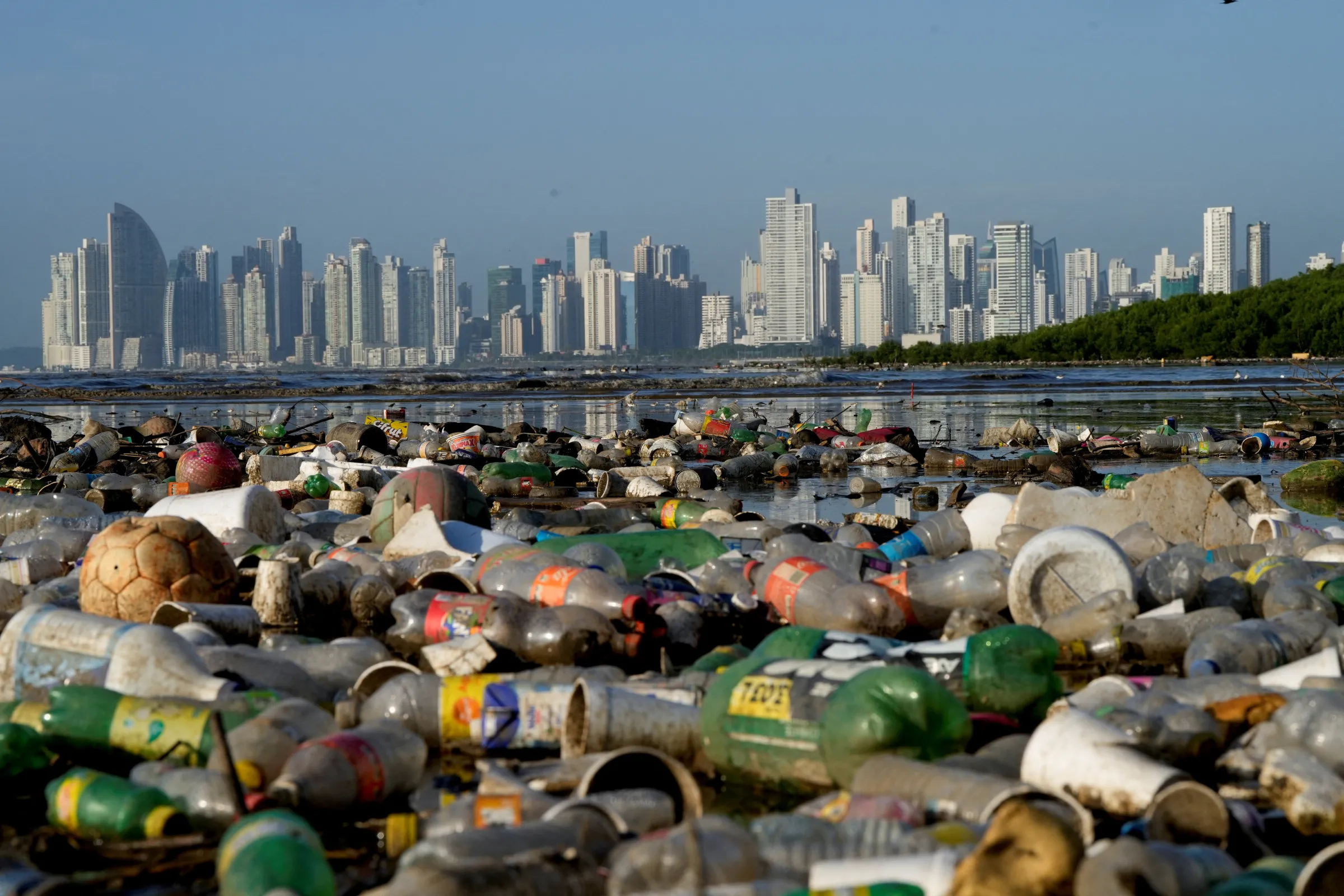
Plastic pollution is surging, so what are governments doing?

Explainer
Explainer
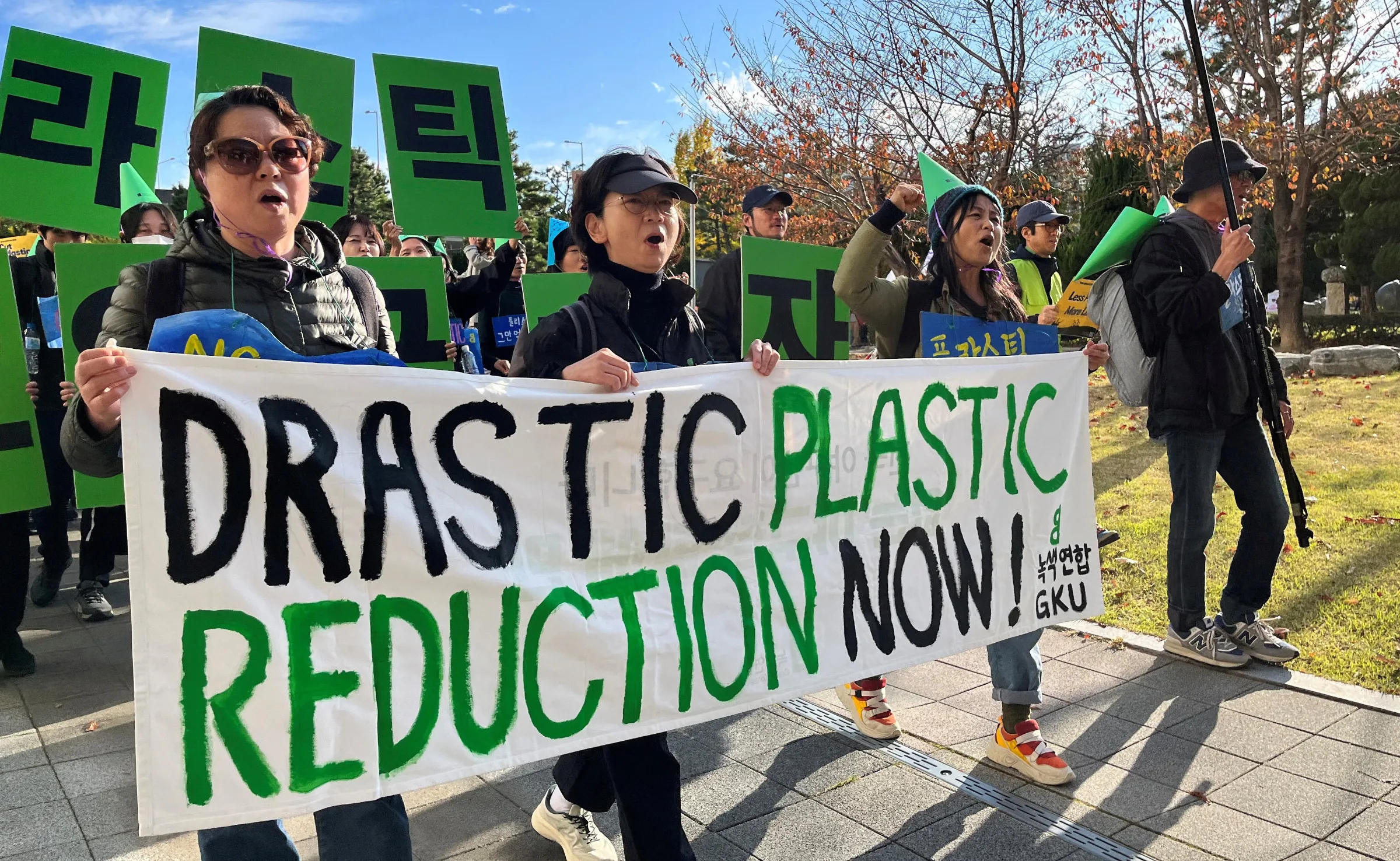
Climate activists march to demand stronger global commitments to fight plastic waste in Busan, South Korea, November 23, 2024. REUTERS/Minwoo Park
What鈥檚 the context?
Plastic waste will soar to unprecedented levels without action, as U.N. plastics treaty remains elusive.
LONDON - Plastic pollution will more than double by 2040 unless the world cuts its reliance on plastics like packaging and textiles, according to by The Pew Charitable Trusts.
Over the next 15 years, the world will fill the equivalent of about a garbage truck a second with waste plastics, spewing out pollution and creating 280 million metric tonnes of new rubbish each year by 2040, said Pew, an international NGO.
Yet countries cannot agree on how to fix the problem.
They met in Geneva in August in search of a breakthrough after missing a 2024 deadline for a United Nations , but again failed to reach a consensus.
Despite more than supporting a proposal to at previous talks, diplomats say petro-chemical producing countries are stalling ambitions.
What environmental impacts are caused by plastic, and how can countries address the issue?
Why is plastic a problem?
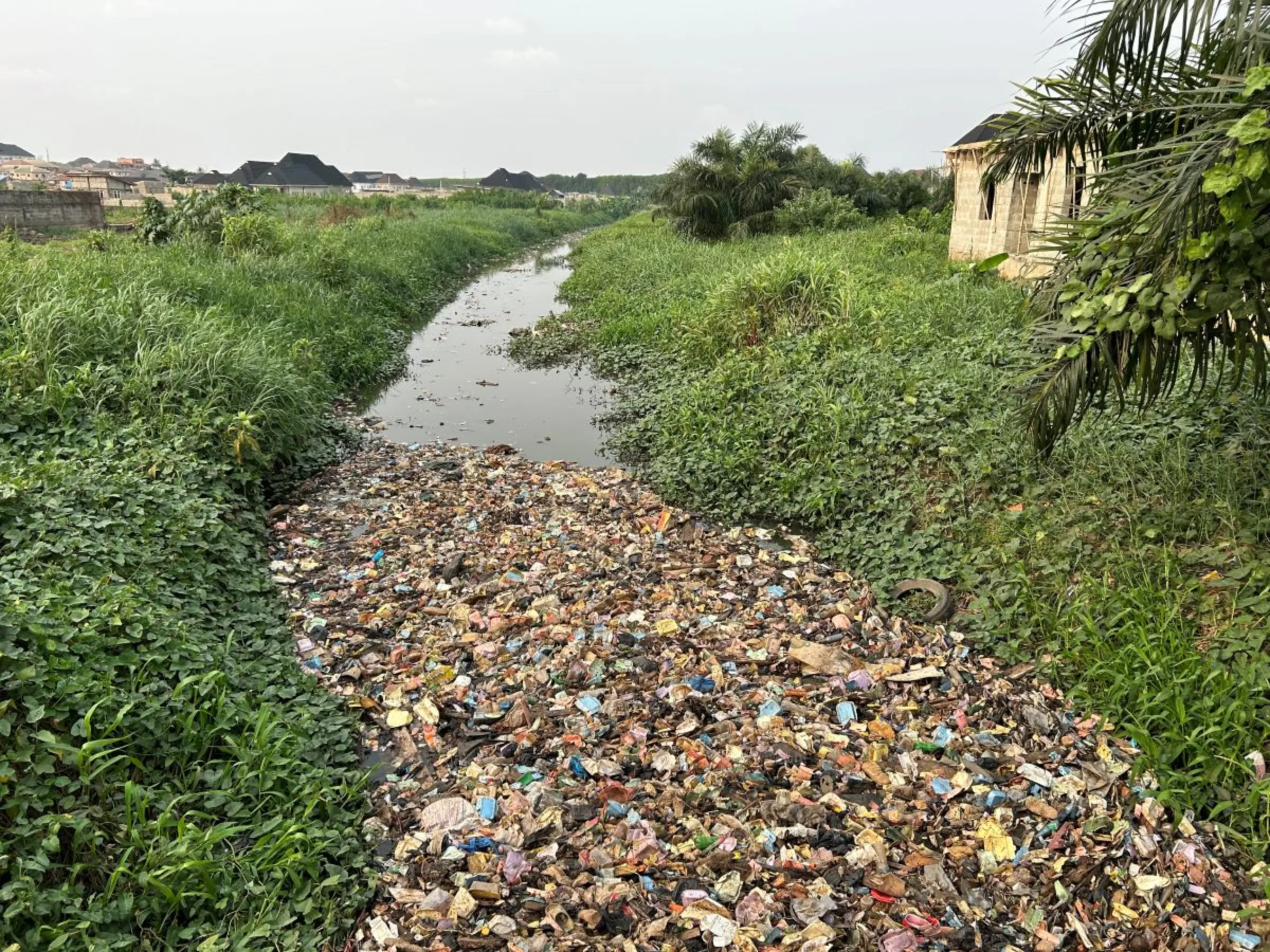
Plastics cause widespread pollution on land and at sea, harming human health and damaging vulnerable marine habitats, such as coral reefs and mangroves.
Human health impacts connected to plastic pollution - from heart problems to infectious diseases - cost the world a year in economic losses, according to research by the Lancet journal.
The production of plastic also exacerbates climate change, as it is made from fossil fuels such as oil and gas.
Through their life cycle, plastics emit of global planet-heating emissions, according to the Organisation for Economic Cooperation and Development (OECD), a share that is only set to increase as plastic production surges.
How much plastic waste is recycled?
Around the world, of plastic waste is recycled, according to the OECD, which predicts that global plastic waste is on track to almost triple to 1.2 billion tonnes in 2060 from 460 million tonnes in 2019.
Experts say the problem is particularly severe in emerging economies that lack sophisticated recycling processes.
Schemes to help include the Extended Producer Responsibility (EPR) programme that makes plastic producers responsible for meeting the cost of their products' recycling or end of life.
Should we ban single-use plastics?
A 2023 report by the , a research group run by the Economist Impact think-tank and the Nippon Foundation, examined global efforts to cut plastics by EPR schemes, production taxes and bans on single-use plastics.
It found that single-use bans were the most effective.
However, if these were implemented in G20 countries without any other measures, plastic consumption would still be 1-1/2 times higher by 2050.
In 2024, the European Union to cut packaging waste and ban single-use plastics - from plastic bags for fruit to mini toiletries - although with some sectoral exemptions.
The deal in February.
How can plastic consumption be reduced?
A key challenge to reducing consumption is plastic's low manufacturing cost, thanks to fossil fuel subsidies.
include cutting the subsidies, blocking new capacity where excess exists and backing businesses that reuse plastic, said The Pew Charitable Trusts.
Policies to include the cost of any plastic into a product's price, such as tallying its health impact, should reduce demand and make recycled material more attractive, the report added.
Does the world need a plastics treaty?
Given the global nature of supply chains, analysts doubt that local schemes will be enough to win meaningful cuts.
A global treaty could, by contrast, guide countries as they decide which plastics are problematic and unnecessary.
The U.N. talks in Geneva were supposed to get a deal over the line but their collapse mean a .
This explainer was updated on December 3, 2025, with new research published by The Pew Charitable Trusts.
(Reporting by Jack Graham; Editing by Lyndsay Griffiths, Jon Hemming and Ayla Jean Yackley.)
Context is powered by the 黑料天堂 Newsroom.
Our Standards:
Tags
- Climate policy
- Climate inequality
- Loss and damage
- Climate solutions


Featured
Go Deeper
The Backstory
 These links open on

Latest on Context

- 1
- 2
- 3
- 4
- 5
- 6