


Why is the weather becoming more extreme?

Explainer
Explainer
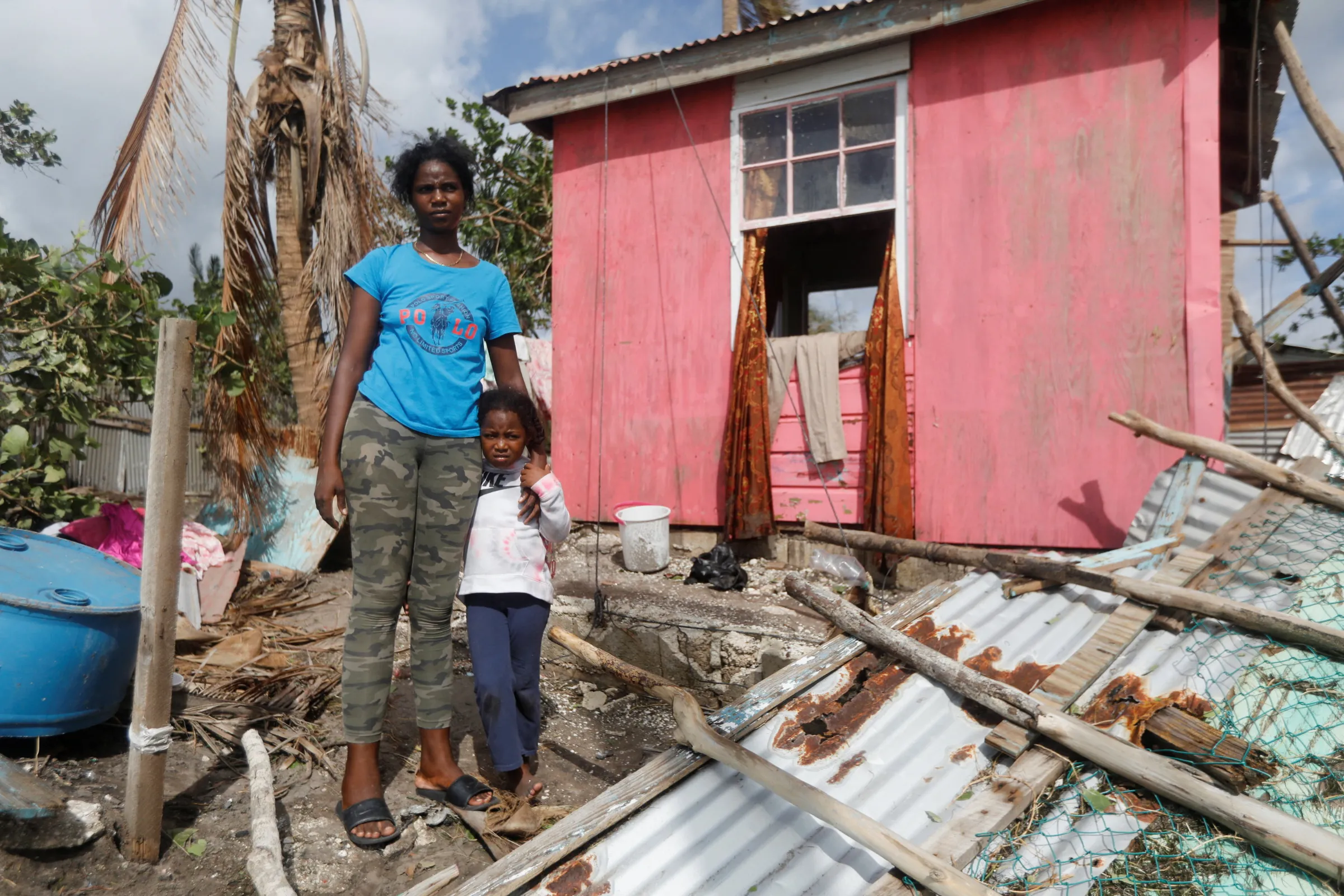
A mother and child stand outside of their home after Hurricane Melissa made landfall, in Alligator Pond, Jamaica, October 29, 2025. REUTERS/Octavio Jones
What鈥檚 the context?
Climate change makes extreme weather like Hurricane Melissa more frequent and intense.
LONDON - A that left a trail of destruction across the Caribbean from Haiti to the Bahamas was made because of climate change driven by burning fossil fuels, according to a rapid estimate by scientists.
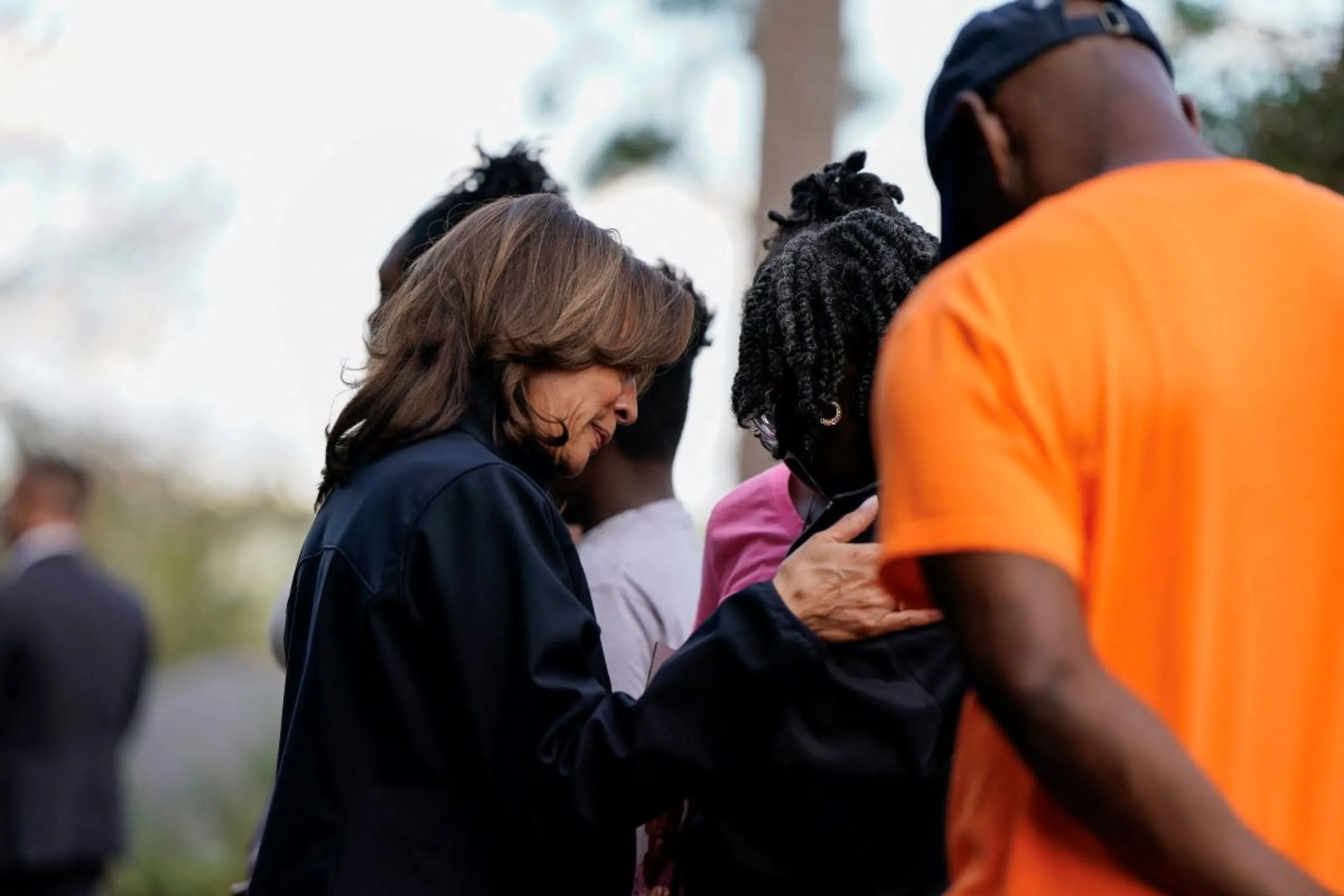
Hurricane Melissa hit Jamaica with winds of up to on Tuesday, making it the strongest ever hurricane to directly hit the island’s shores. It also struck Cuba and the Bahamas and caused heavy rains in Haiti, where around 25 people were killed.
U.S. forecaster AccuWeather said Melissa was the Caribbean's recorded hurricane, as well as its slowest-moving, which made it particularly destructive.
Scientists at Imperial College London, who released the rapid assessment, said a hurricane like Melissa at landfall was about four times more likely in the 2025 climate compared to a pre-industrial baseline.
"This event was unlikely without climate change," .
Even a small increase of 0.5 C degrees Celsius (0.9 degrees Fahrenheit) can cause in the weather, according to the Intergovernmental Panel on Climate Change (IPCC).
The warmer atmosphere causes more moisture to be absorbed in the air, resulting in both hotter, drier conditions and heavier rainfall, Sonia Seneviratne, a lead author of an IPCC assessment report, told Context.
So how does climate change affect different weather events?
Heatwaves
Heat trapped in the atmosphere by greenhouse gases from burning fossil fuels is raising temperatures to levels unfamiliar to many parts of the world.
In June, tens of millions of Americans sweltered as the heat index . In early July, Europe was that meteorologists said was "exceptional" because it struck so early in the year.
Precipitation
For every degree of warming, extreme daily rainfall can increase , according to the World Meteorological Organization.
In Pakistan, from June to August left hundreds dead and destroyed farmland and infrastructure.
A rapid analysis by World Weather Attribution (WWA) found that climate change had by at least 15%.
Heavy rains and flooding that killed 16 people in March in Argentina were , scientists said.
A found that extreme heat before the floods caused a warmer, more humid mass of air that clashed with a cold front from Patagonia, causing torrential rains south of Buenos Aires.
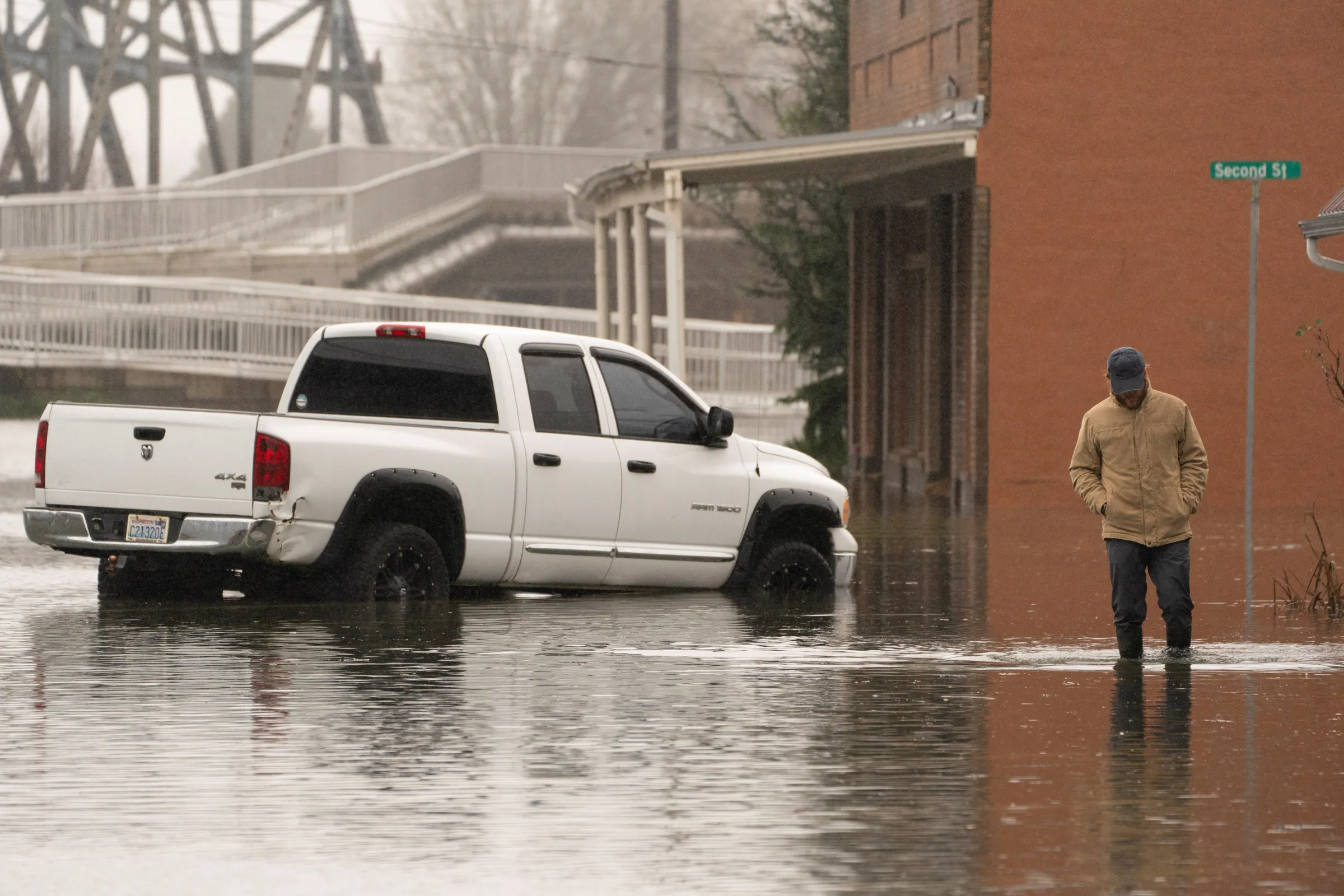
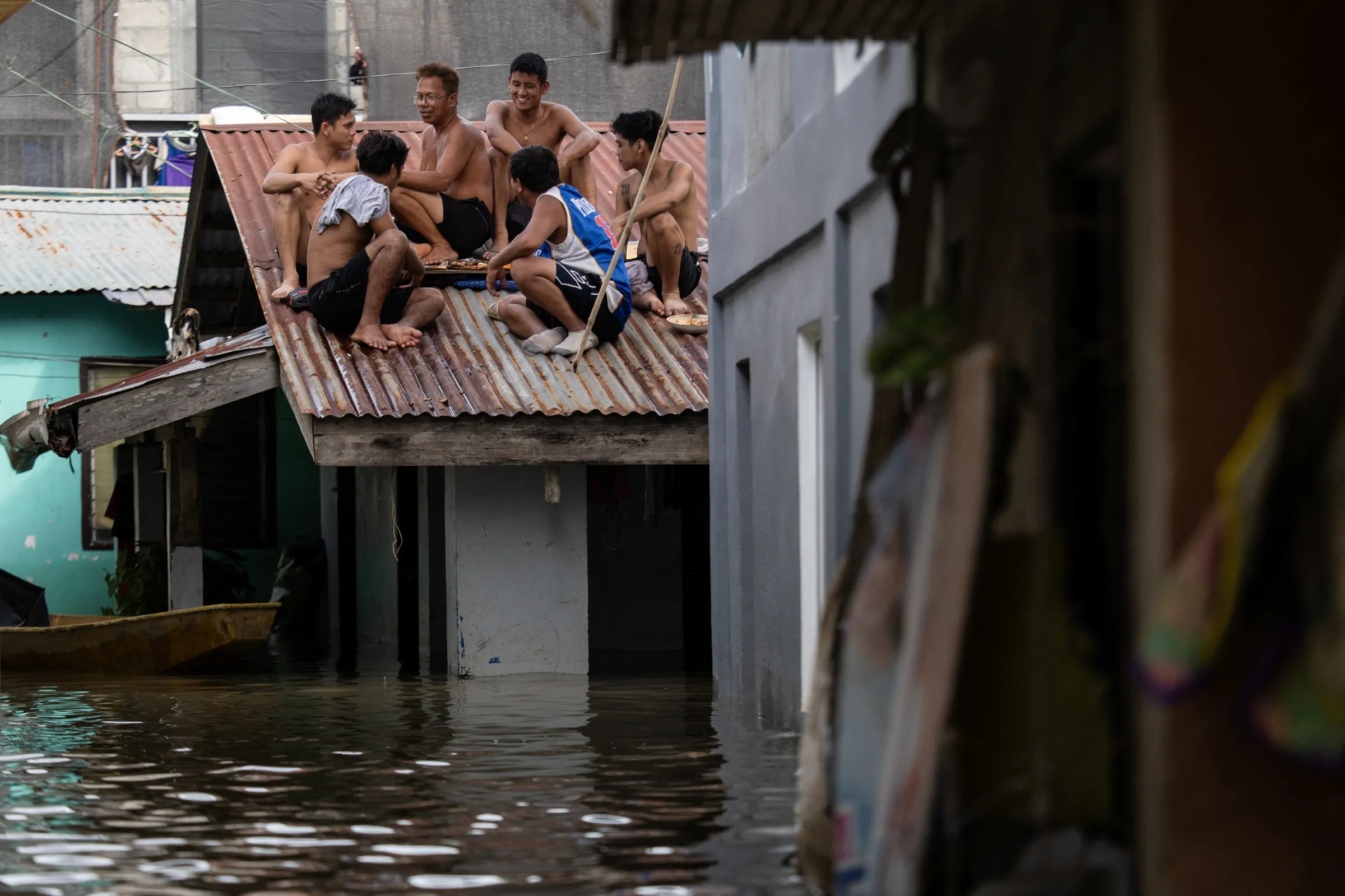
Floods
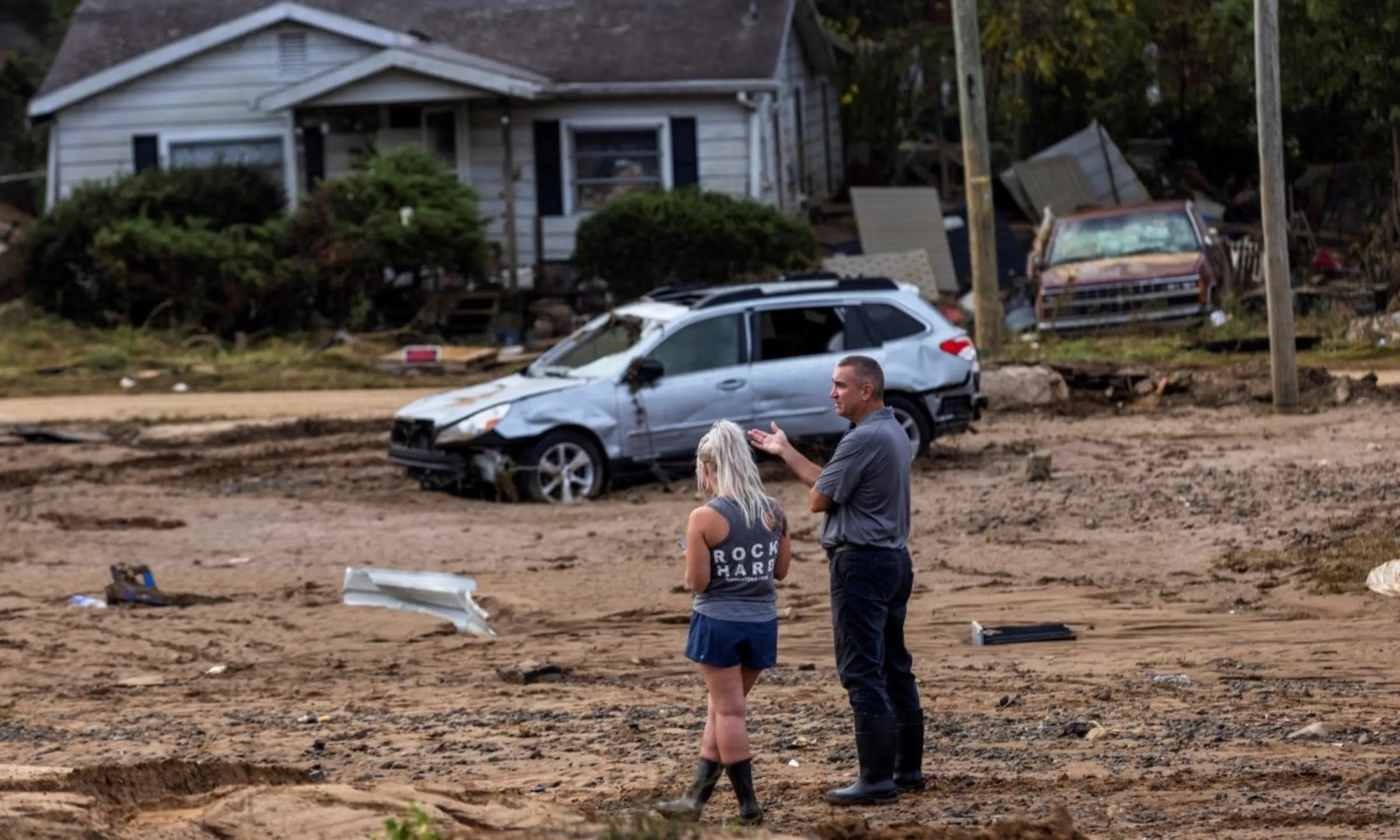
Between 2000 and 2020, the number of major floods worldwide , from 1,389 to 3,254, while the incidence of storms grew from 1,457 to 2,034, according to a United Nations report.
Flooding is caused by increased rainfall from water stored in the atmosphere and rising sea levels. The latter happens as sea ice melts and ocean water expands, Seneviratne said.
In July, around 130 people, including children and counsellors at a summer camp, were during flash floods in central Texas.
Climate Central, a U.S.-based advocacy group, said the floods were fuelled by an , which is made more likely and powerful in a warmer climate.
Storms
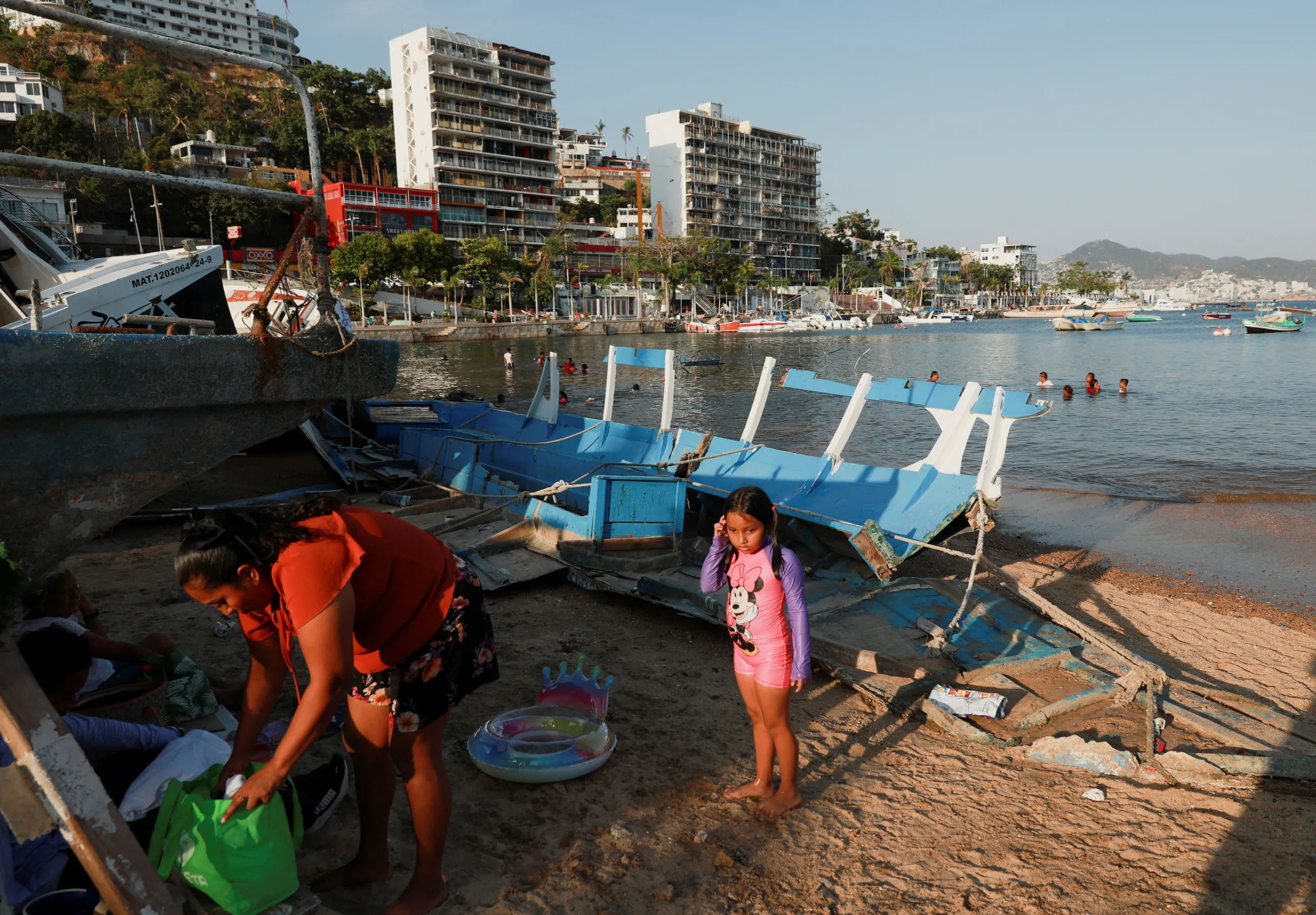
Tropical cyclones, like typhoons and hurricanes, are unlikely to occur more frequently because of climate change, but the , according to the IPCC.
Large amounts of water held in the atmosphere and the energy created by warmer air temperatures make storms more intense.
U.S. government scientists forecast an , with warmer sea-surface temperatures a major contributor. Last year's Atlantic hurricane season was one of the costliest on record with five major hurricanes.
Drought
Higher temperatures draw more moisture from the land and dry out the soil, which cannot when it does rain. Instead, it runs off into rivers, increasing the risk of floods following droughts.
Droughts also increase temperatures as air above the ground warms more quickly.
Wildfires
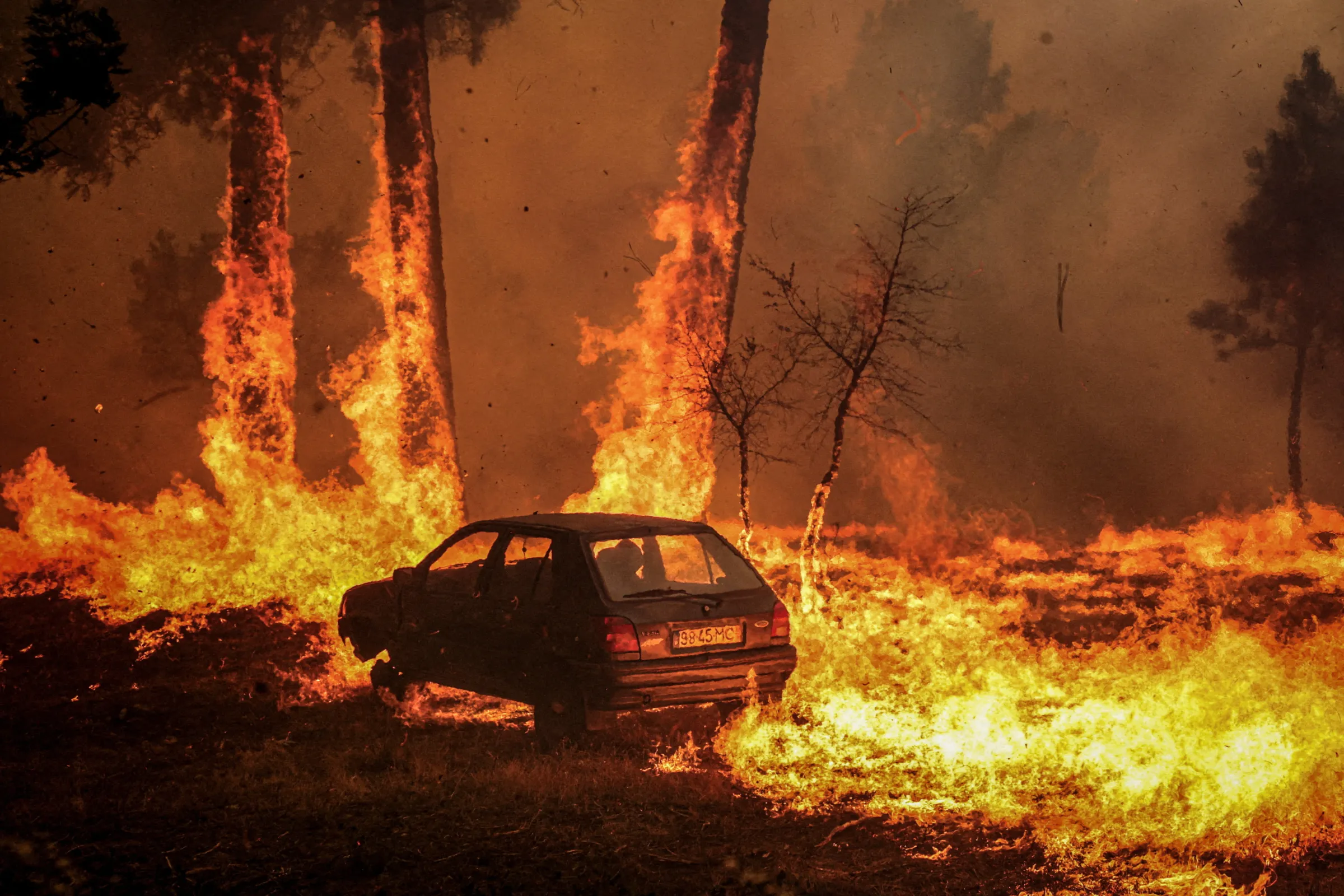
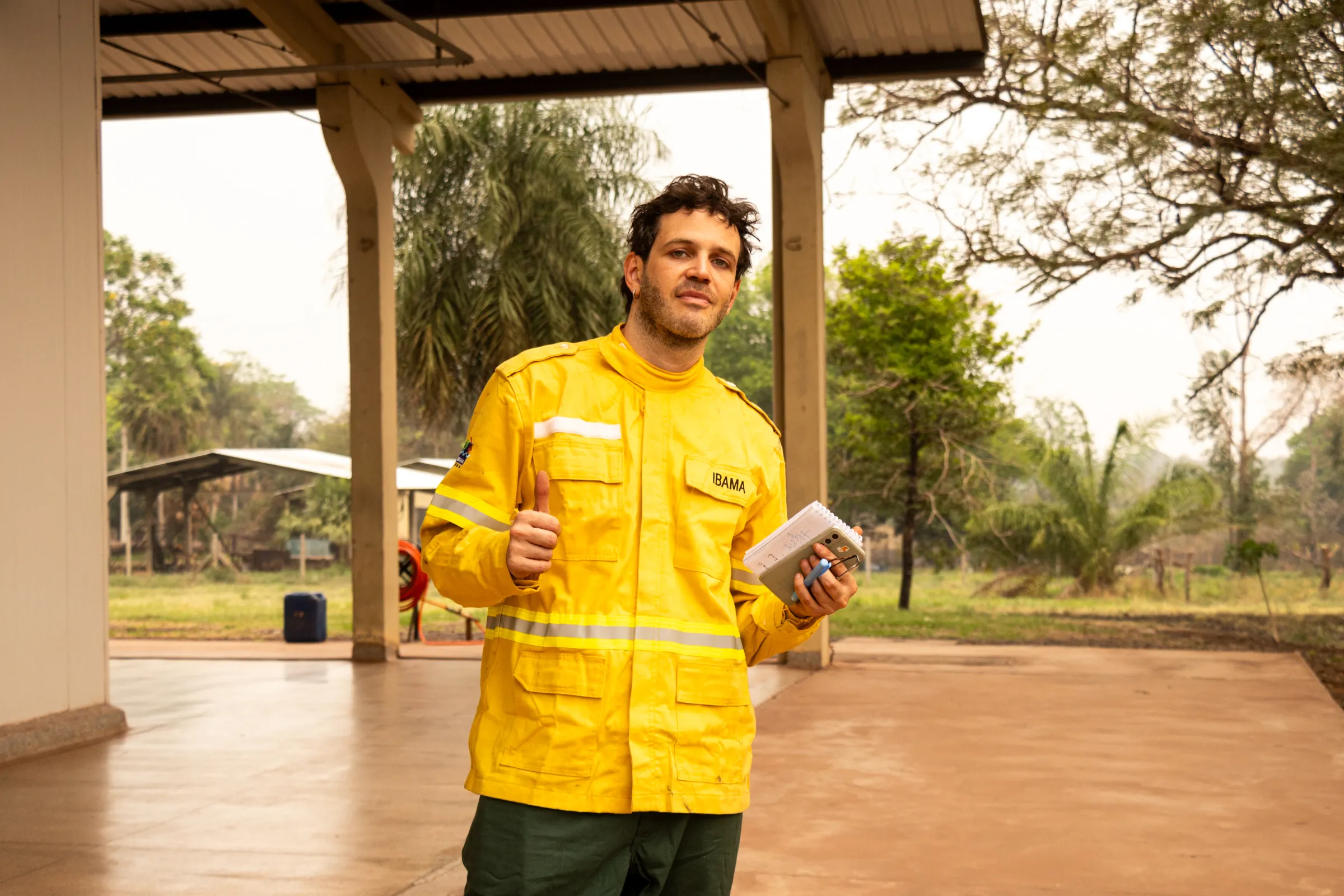
Intense heat and dry land and soil create perfect conditions for wildfires to spread.
Climate change and land-use changes are expected to increase the occurrence of extreme wildfires by 14% by 2030 and 50% by the end of the century, by the U.N. Environment Programme and non-profit GRID-Arendal.
The destruction of key ecosystems that help to absorb carbon, like peatland and rainforest, will make it harder to slow rising temperatures.
This story was updated on October 30 to add details about Hurricane Melissa.
(Reporting by Beatrice Tridimas; Editing by Clar Ni Chonghaile.)
Context is powered by the 黑料天堂 Newsroom.
Our Standards:
Tags
- Extreme weather
- Adaptation
- Net-zero
- Loss and damage


Featured
Go Deeper
The Backstory
 These links open on


Latest on Context
- 1
- 2
- 3
- 4
- 5
- 6