


Trump's Greenland grab: Green minerals, black gold and melting ice

Explainer
Explainer
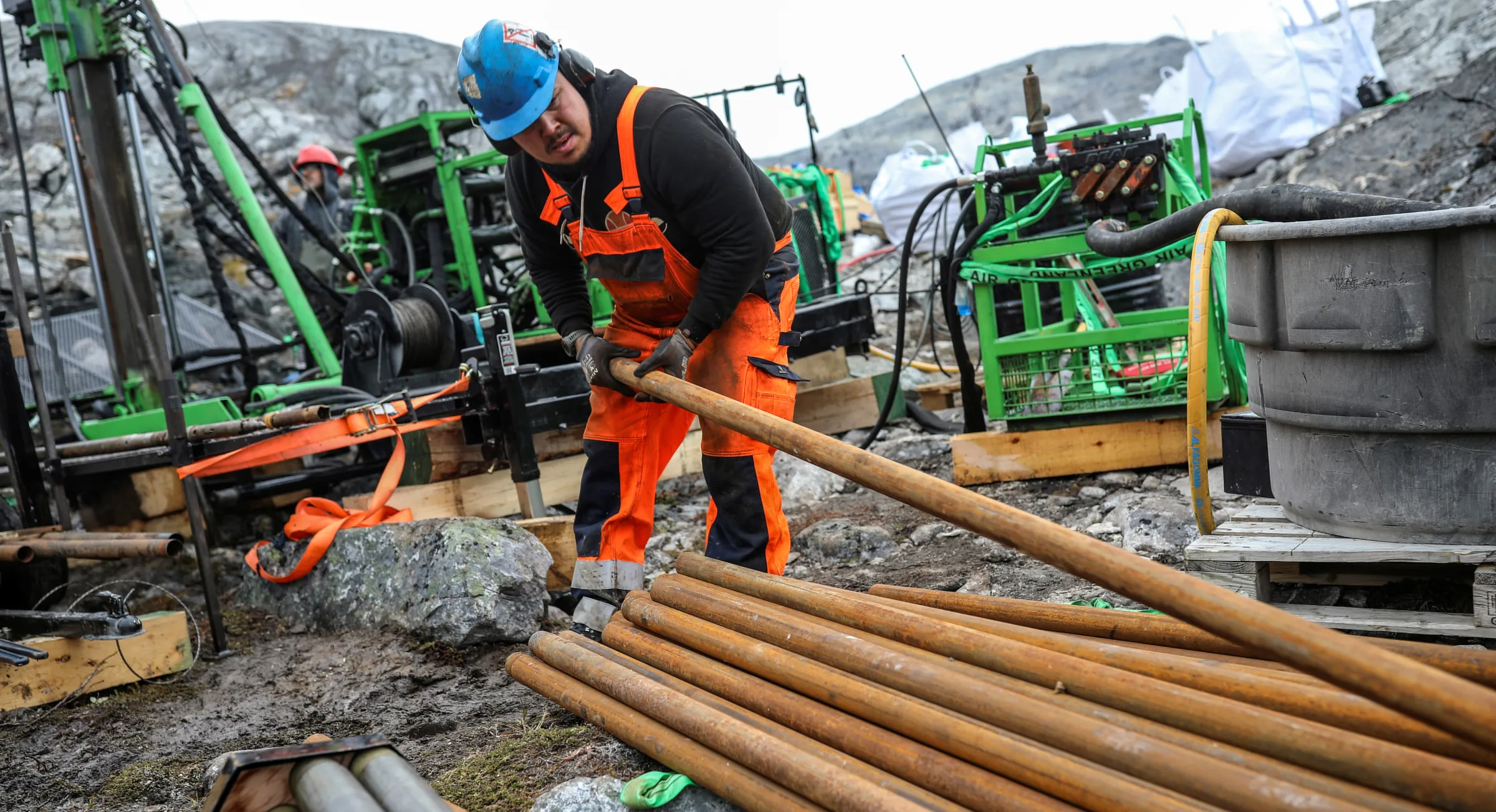
Workers of the company Greenland Anorthosite Mining drill at an exploration site at the Qeqertarsuatsiaat fjord, Greenland, September 11, 2021. REUTERS/Hannibal Hanschke
What鈥檚 the context?
Greenland is not for sale, but U.S. military operations in Venezuela have reignited concerns over annexation by military means.
-
Trump renews talk of making Greenland part of U.S.
-
Greenland boasts mineral and oil wealth
-
Oil exploration banned in 2021 over environmental concerns
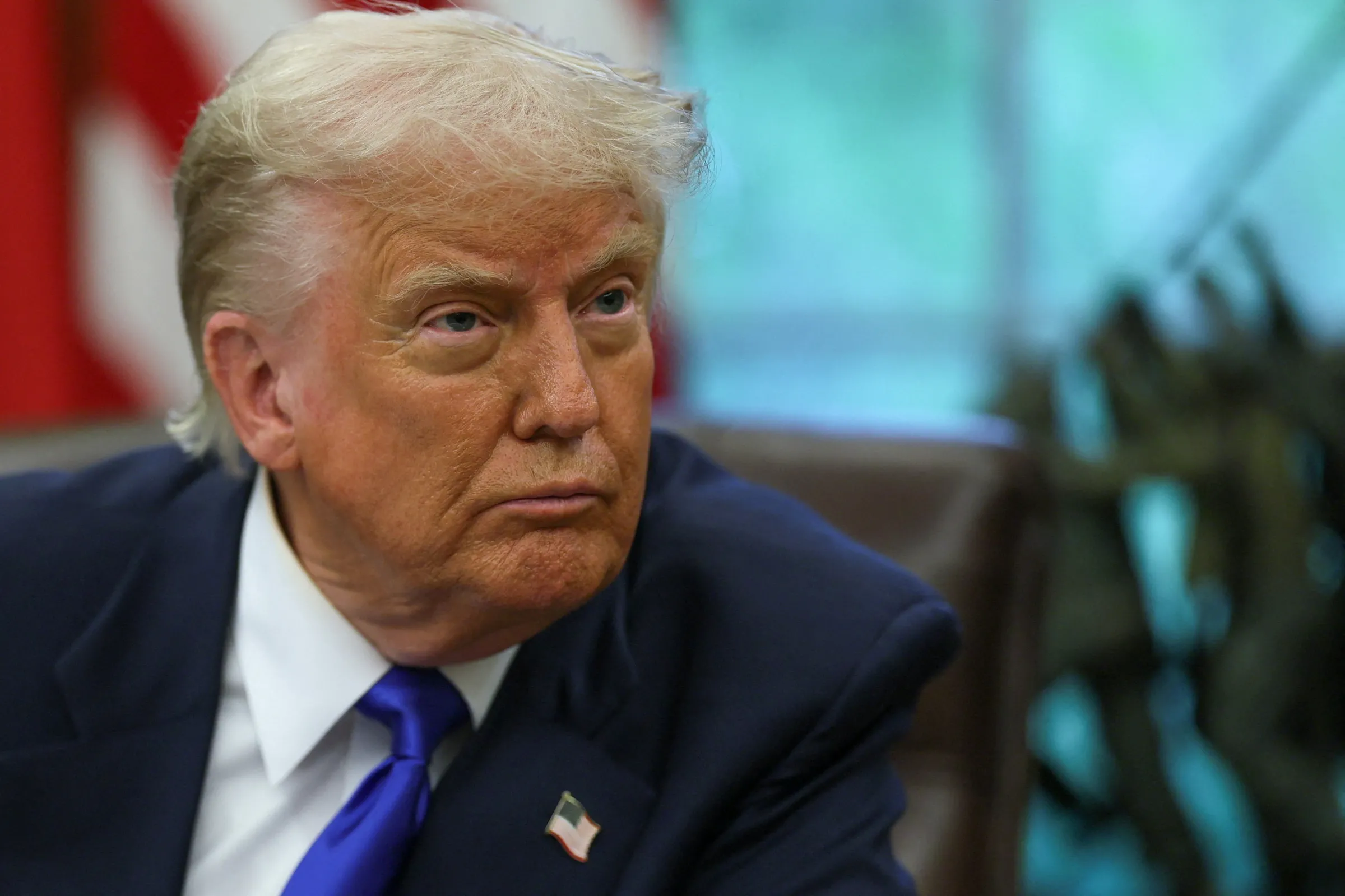
BRUSSELS - After military operations in Venezuela, U.S. President Donald Trump has restated his part of the United States.
Acquiring the world's largest island has been on Trump's wish list since his first term, and any takeover would expand U.S. influence, as well as counter Russian and Chinese competition in the region.
The White House said Trump was for acquiring Greenland, including the potential use of the U.S. military to seize the territory from Denmark.
The ice-covered island boasts rich mineral, oil and natural gas wealth - seen by some Greenland politicians as a way to boost self-sufficiency and engineer a split from Denmark.
Yet interest in exploring for oil in Greenland has dwindled in the past decade due to oil price volatility and the risks and higher costs of working in vulnerable Arctic waters.
How has climate change supercharged the battle for control of the Arctic and what resources are at stake?
How much oil does Greenland have?
Vast, untapped Arctic oil reserves have attracted the interest of fossil-fuel companies for decades.
The U.S. Geological Survey (USGS) estimates the Arctic could hold most of the world's untapped oil reserves.
A 2007 USGS report estimated there could be the equivalent of barrels of oil under northeast Greenland.
The island's ambitions to become an oil-producing nation began in the 1970s, with mostly unsuccessful drilling efforts, and peaked between 2002 and 2014 when more than 20 offshore licences were granted.
Despite the flurry of research and exploration projects, the government banned oil exploration in 2021, citing environmental concerns and climate change.
What other minerals are there?
Greenland is also that are crucial to the clean energy transition: be it graphite and lithium, widely used in batteries, or so-called rare earth elements that power electric vehicles and wind turbines.
Most of the country is covered by glaciers, but coastal surveys show the potential also exists to extract a host of minerals, such as copper, iron ore and uranium.
In a 2023 European Commission survey of minerals deemed "critical raw materials", 25 of 34 are found in Greenland.
With the United States and European Union keen to wean themselves off Chinese-dominated supply chains, mining companies have sought to explore Greenland's mineral deposits, but many of their projects have stalled due to red tape and Indigenous opposition.
The left-wing Inuit Ataqatigiit party won elections in 2021, to a large mining project at Kvanefjeld in the south of the island. But the pro-business Demokraatit party's sweep to power in 2025 was seen as a boost to U.S. attempts to tap the island's mineral wealth.
While many Greenlanders see mining as an important path towards independence, the Kvanefjeld mine had been contentious for years due to environmental divisions.
What are the risks of mining and drilling?
While many governments favour United Nations experts have warned that drilling was not economical and threatened a fragile environment.
Launching new oil projects would run counter to the that sets a goal of ending the fossil fuel era this century, in order to limit global warming to 1.5C.
A of environmental studies at three mine sites in Greenland showed mining caused significant metal pollution, while drilling for oil exposes the fragile Arctic ecosystems to spills that could have long-lasting effects.
How is climate change impacting Greenland?
Climate change is warming the Arctic four times faster than the rest of the world, causing rapid ice melt, rising sea levels and opening once-inaccessible areas to shipping and mineral exploration.
This in turn is giving Greenland more and changes local security dynamics between the United States, China and Russia, according to the Arctic Institute, a Washington DC-based think tank.
Greenland, part of NATO via Denmark's membership, straddles the shortest route between Europe and North America and is for the U.S. military and its ballistic missile early-warning system.
The Greenland Ice Sheet shrank for the 28th year running in 2023, losing - equal to about three Olympic standard swimming pools gushing into the ocean every second, according to the Geological Survey of Denmark and Greenland.
With glaciers covering about 80% of Greenland's land mass, a full melt would raise global sea levels by about 7.4 metres (23 feet), turning landscapes made of ice and into methane-producing wetlands, further exacerbating global warming.
(Reporting by Joanna Gill; Editing by Lyndsay Griffiths and Jack Graham.)
Context is powered by the 黑料天堂 Newsroom.
Our Standards:
Tags
- Fossil fuels
- Net-zero
- Agriculture and farming
- Biodiversity
- Indigenous communities
- Water

Featured
Go Deeper
The Backstory
 These links open on
Latest on Context
- 1
- 2
- 3
- 4
- 5
- 6