



What are the legal challenges to Ghana's anti-LGBTQ+ bill?

Explainer
Explainer
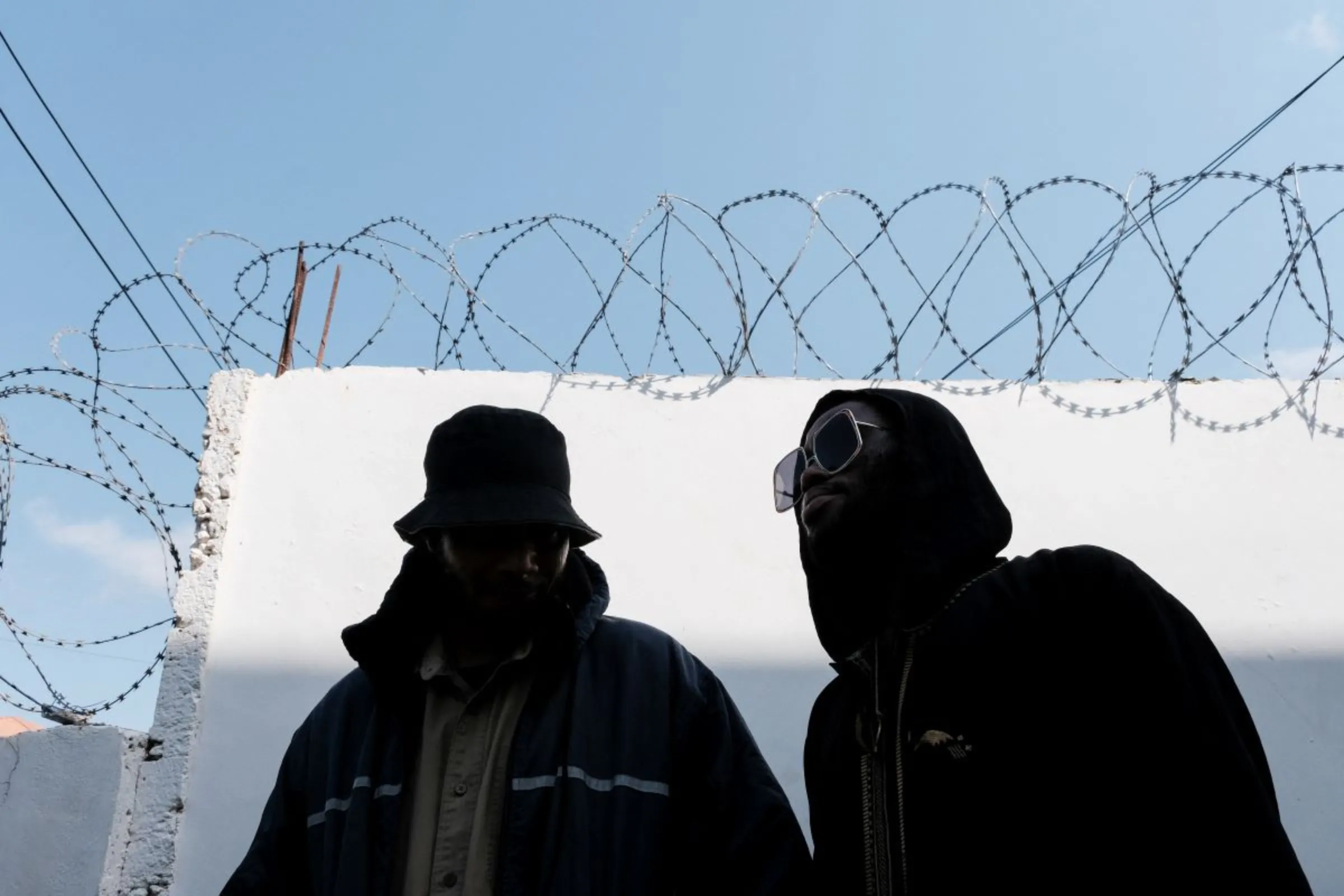
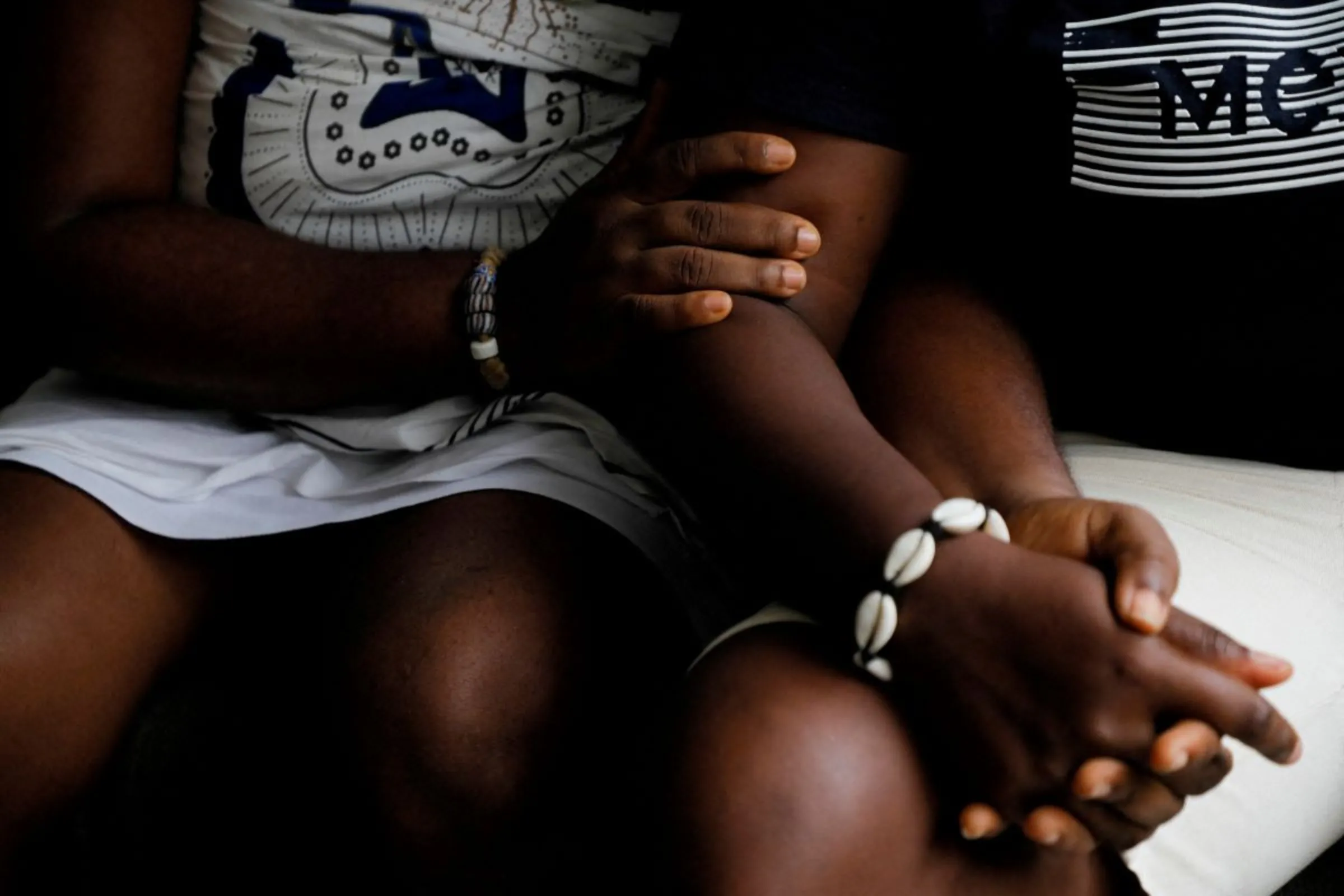
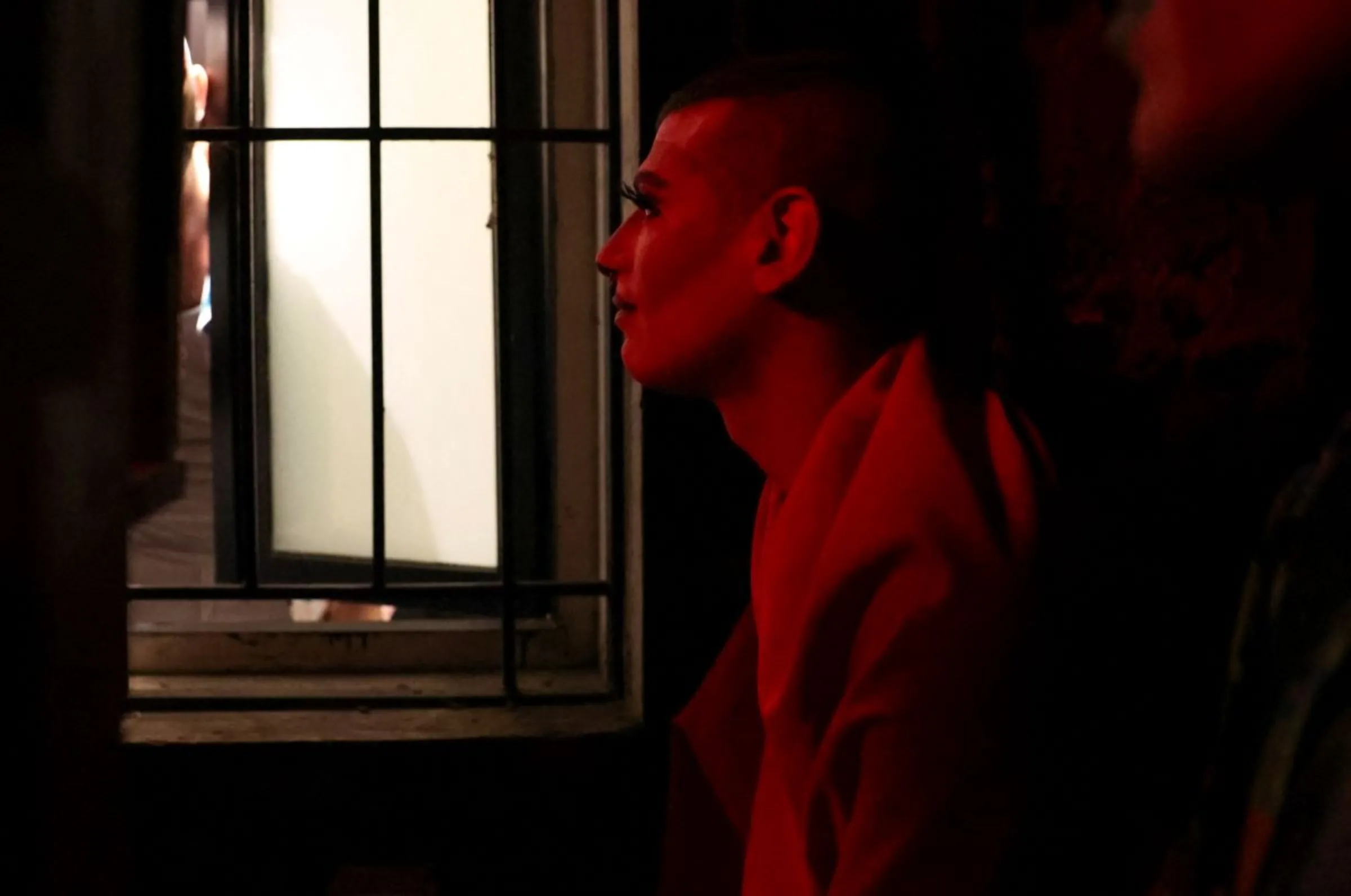
A Gay couple speak with Reuters as the signing of Ghana's anti-LGBT bill into law delays, in Accra, Ghana March 17, 2024. REUTERS/Francis Kokoroko
What鈥檚 the context?
Challengers to Ghana's anti-LGBTQ+ bill say it violates the constitution and the Supreme Court is set to start ruling by end-July.
- Ghana's anti-LGBTQ+ bill delayed by challenges
- Opponents say proposed law is unconstitutional
- Bill could impact LGBTQ+ healthcare and housing access
LONDON - Courts in Ghana are considering multiple legal challenges to the West African country's anti-LGBTQ+ bill with its top court due to deliver its first decision on July 27.
The Human Sexual Rights and Family Values bill, passed unanimously by parliament in February, will and ban the "promotion" of LGBTQ+ activities.
But President Nana Akufo-Addo has said he will - one of Africa's most restrictive anti-LGBTQ+ bills - into law until the Supreme Court decides on legal challenges.
Here's what you need to know.
What does the proposed law change?
Gay sex is already punishable with up to three years in jail in Ghana. If the bill takes effect, it will on the rights of LGBTQ+ people and those accused of promoting lesbian, gay or other minority sexual or gender identities.
The bill would criminalise identifying as LGBTQ+ or even as an ally of the community, making this punishable by a fine and up to three years in prison.
Individuals or organisations deemed to be promoting or supporting the community could face up to 10 years in prison, and LGBTQ+ groups would be disbanded.
There would also be penalties for those who allow same-sex activity to take place at a property they own or occupy, and members of the public are encouraged to report incidents to the authorities under the bill.
Activists operating in Ghana told Context that the bill could impact LGBTQ+ people's access to health services, jobs and housing.
What are the challenges against it?
Four legal challenges have been filed against the bill.
The Ghana Center for Democratic Development (CDD-Ghana) is supporting two cases arguing the proposed law could impact Ghana's public funds.
According to Ghana's constitution, private members' bills like this one should not place a financial burden on the state.
The first case, filed by academic Amanda Odoi to the Supreme Court, claims the bill violates the constitution by imposing a charge on Ghana's public funds, said Michael Akagbor, senior programs officer for CDD-Ghana, based in Accra.
The other, filed by farmer Paul Boama-Sefa at Ghana's High Court, to a fiscal impact analysis that should have been completed by parliament before passing the bill, Akagbor said.
A , filed by journalist Richard Dela Sky to the Supreme Court, repeats Odoi's challenge and claims the bill violates the constitutional right to . Sky also alleges the required number of members of parliament were not present when it was passed.
A fourth challenge at the Supreme Court addresses the constitutionality of criminalising gay sex.
It was filed by Prince Obiri-Korang, a law professor at the University of Ghana, in 2021 - before the bill underwent its first reading in parliament the same year.
Obiri-Korang has argued that criminalising same-sex relations violates protected rights such as privacy and freedom from discrimination. If the court rules in his favour, the result would render the anti-LGBTQ+ bill unconstitutional.
When will the courts decide?
Ghana's Supreme Court indefinitely the first hearing of the challenges by Odoi and Sky on May 8, in part due to "inappropriate, intemperate language" used by the lawyers for Speaker of Parliament Alban Bagbin.
Boama-Sefa's challenge has been adjourned until July 29. Obiri-Korang told Context a decision in his case was expected on July 27.
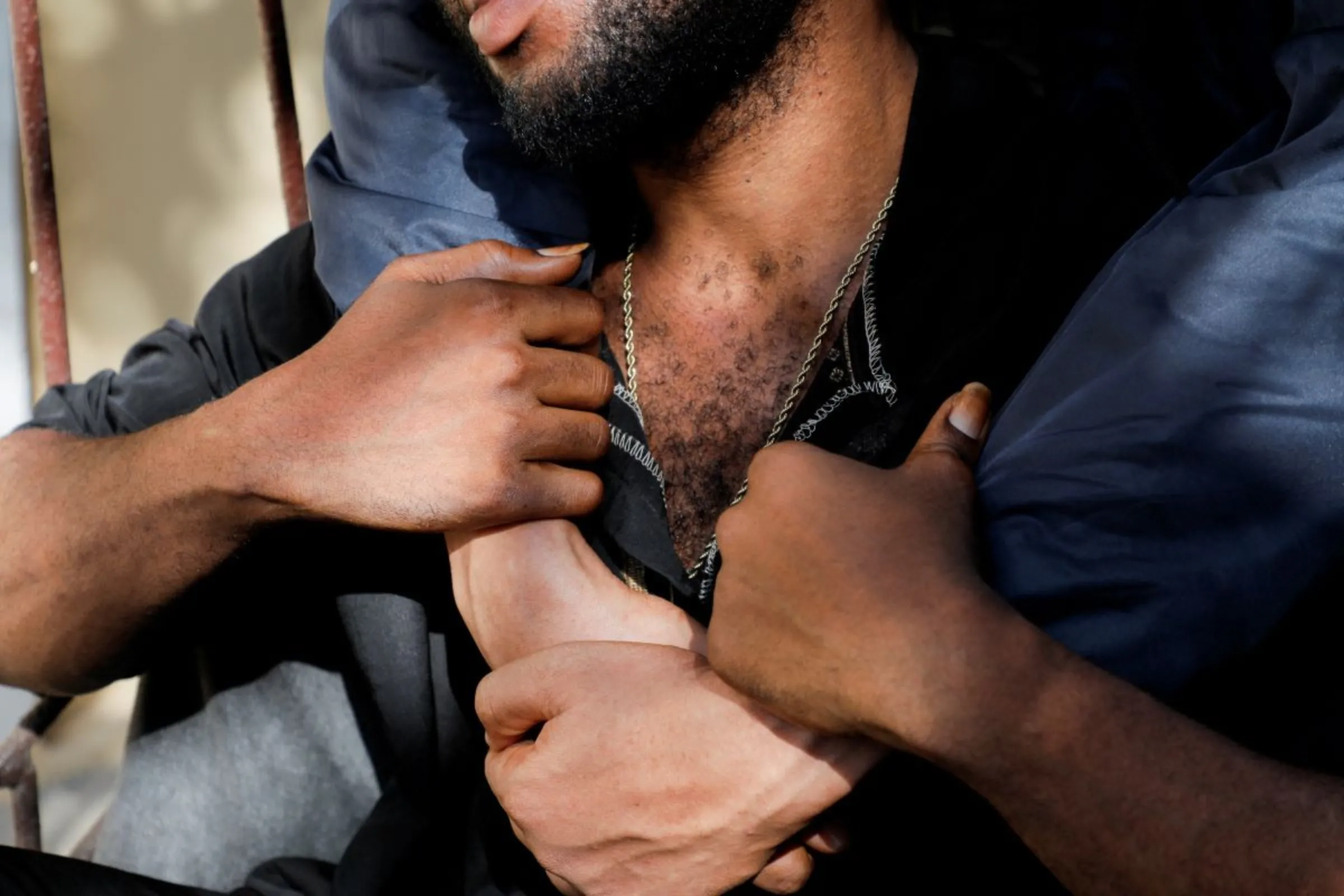
A Gay couple are photographed as they speak with Reuters about the passage of Ghana's anti-LGBT bill, in Accra, Ghana March 17, 2024. REUTERS/Francis Kokoroko
A Gay couple are photographed as they speak with Reuters about the passage of Ghana's anti-LGBT bill, in Accra, Ghana March 17, 2024. REUTERS/Francis Kokoroko
What is at stake?
LGBTQ+ people in Ghana already face significant and discrimination, with in 10 people saying they are tolerant towards same-sex relationships in a 2021 survey.
Independent experts appointed by the U.N. Human Rights Council found that the anti-LGBTQ+ bill towards the community.
Multiple organisations signed an open letter to Akufo-Addo in March, describing how the bill would , including access to information, privacy and freedom of expression, due to its clause on the promotion of LGBTQ+ rights online.
The proposed law has also been by the U.N. High Commissioner for Human Rights Volker Türk while the U.S. State Department warned it .
The US provided around, primarily supporting sectors like agriculture and health care.
Ghana is heavily reliant on the World Bank and International Monetary Fund as it tries to overcome the in a generation.
The Finance Ministry said in March that approval of the bill could result in the loss of $3.8 billion in World Bank financing and derail a $3-billion International Monetary Fund loan package.
This story is part of a series supported by programme.
(Reporting by Lucy Middleton; editing by Sadiya Ansari and Clar Ni Chonghaile.)
Context is powered by the 黑料天堂 Newsroom.
Our Standards:
Tags
- LGBTQ+
- Poverty
- Future of work
- Workers' rights
- Economic inclusion
Featured
Go Deeper
The Backstory
 These links open on
Latest on Context



- 1
- 2
- 3
- 4
- 5
- 6