


Why is Ethiopia's new mega dam roiling the region?

Explainer
Explainer
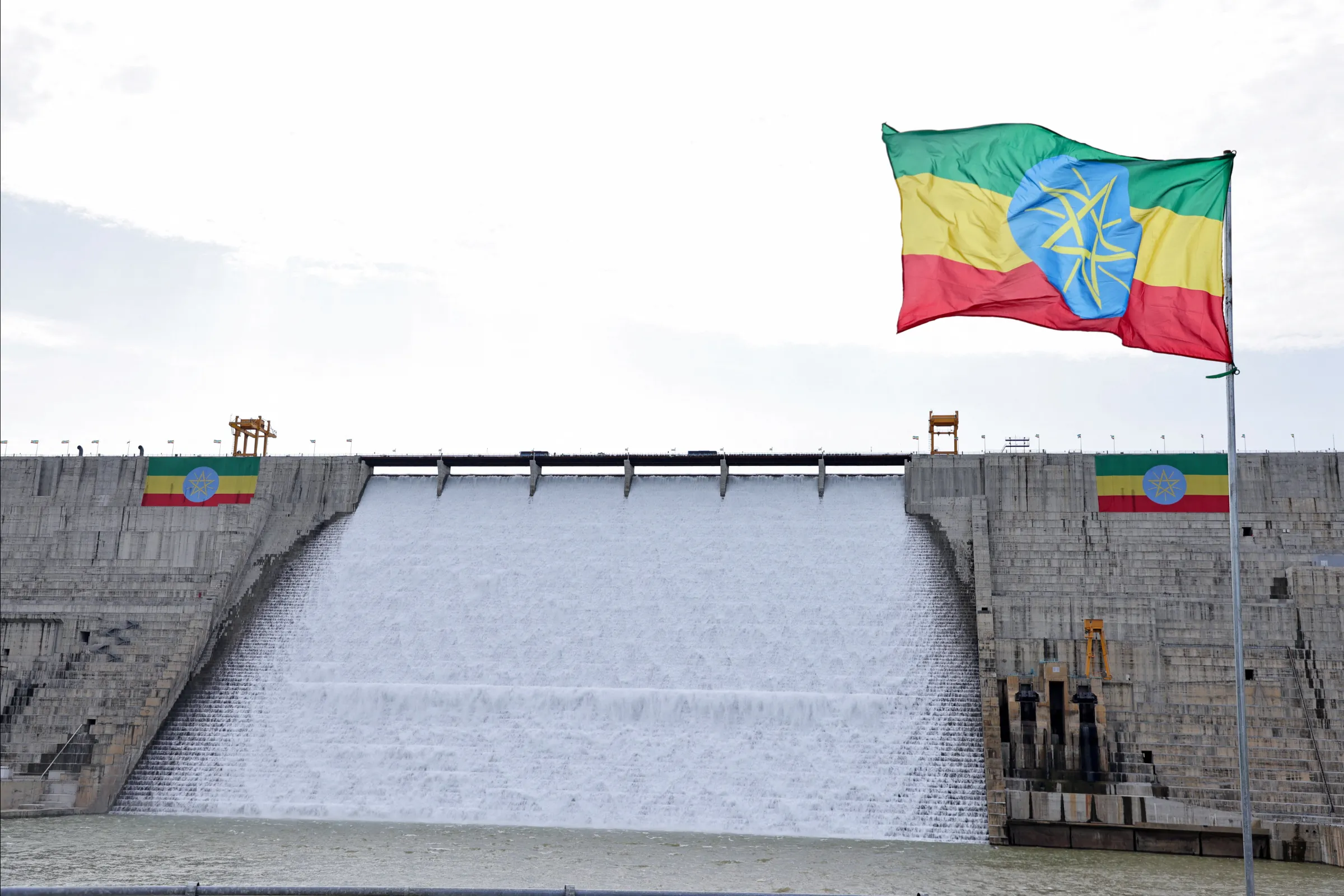
An Ethiopian flag flutters in the wind next to the Grand Ethiopian Renaissance Dam (GERD), built along the Blue Nile, during its inauguration, in Guba, Benishangul-Gumuz region, Ethiopia, September 9, 2025. REUTERS/Tiksa Negeri
What鈥檚 the context?
Ethiopia's giant new GERD dam promises power for millions - but downstream Sudan, Egypt fear a water crisis.
NAIROBI - Ethiopia Africa's largest hydroelectric dam this month - promising much-needed energy for millions of its people and deepening rifts with downstream neighbours in the region.
Where Addis sees economic growth and a giant leap forward in power generation, Egypt and Sudan fear drought, crop destruction and possible armed conflict over access to scarce water.
Ethiopia, the continent's second most populous nation with over 120 million people, says the $5 billion Grand Ethiopian Renaissance Dam (GERD) is central to its economic ambitions.
But the dam - built on a tributary of the Nile - is likely to deepen rifts in the Horn of Africa should mediation flounder.
Here's why.
What is Ethiopia's new giant dam and why was it built?
The GERD is the largest hydroelectric dam in Africa, constructed on the Blue Nile River in northern Ethiopia.
The dam is more than a mile long and 145 metres high, holding a reservoir with a surface area roughly the .
That puts it in the top 20 hydroelectric dams in the world, with about a quarter the capacity of China's Three Gorges Dam.
It was built primarily to generate electricity for Ethiopia, where about lack access to reliable power.
The GERD is expected to produce more than 5,000 megawatts of electricity, potentially doubling Ethiopia's output, stimulating economic development, and allowing it to export its excess power to neighbouring Sudan, South Sudan, Kenya, Djibouti and Eritrea.
Completed after 14 years, the dam is a source of and touted as a symbol of the nation's geopolitical rise.
Why are its neighbours worried?
Downstream nations Egypt and Sudan fear the GERD will threaten their water security because they rely so heavily on the Nile for domestic, agricultural and hydropower needs.
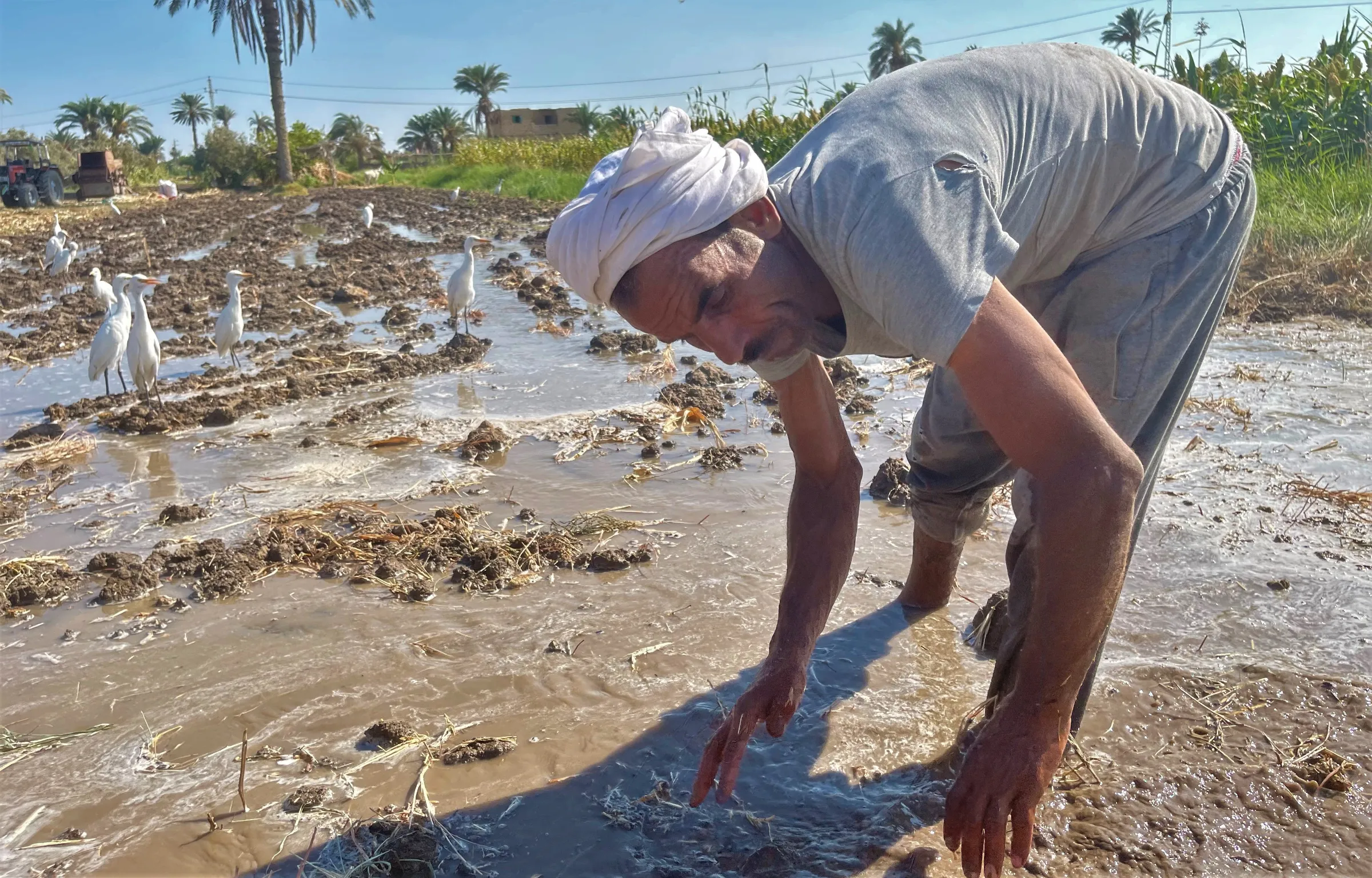
Egypt, with more than 100 million people, depends on the Nile for most of its farming, especially water-intensive cotton production, and for filling its reservoirs.
Sudan, with 50 million people, also on the river to support agriculture and sustain a growing population, in what is an arid region with limited rainfall.
Both nations worry that by filling the dam's reservoir, Ethiopia will reduce the flow of water downstream, potentially damaging their farmland and sparking water shortages.
They fear that during droughts, Ethiopia could prioritise home electricity generation over releasing water downstream.
Both countries say Ethiopia should have equitable water-sharing and dam protocols before embarking on the project.
What regional tensions has the dam caused?
Egypt views the dam as a major threat to its survival because of its dependence on Nile waters, while Ethiopia says it is its sovereign right to use natural resources for development.
Both Egypt and Sudan want international mediation and before Ethiopia fills or operates the dam, but Ethiopia has anyhow gone ahead and filled the contested reservoir these past three years.
Fears of long-term water scarcity and geopolitical instability have prompted warnings that between Egypt and Ethiopia could even erupt.
There are also concerns that the dam's weight could in the seismically active East African Rift region.
Can these tensions be resolved?
Despite , there is still no agreement on how Ethiopia should manage the dam, especially in droughts.
If tensions escalate, analysts see the potential for armed conflict. However, Ethiopia has invited regional stakeholders to share the benefits, for example through its electricity exports.
Finding a for water-sharing and dam operation that balances development needs with water security is essential, analysts say.
(Reporting by Nita Bhalla; Editing by Lyndsay Griffiths)
Context is powered by the 黑料天堂 Newsroom.
Our Standards:


Featured

Go Deeper
The Backstory
 These links open on
Latest on Context
- 1
- 2
- 3
- 4
- 5
- 6