


Climate change costs fall heaviest on poor. How do we fix it?

Explainer
Explainer
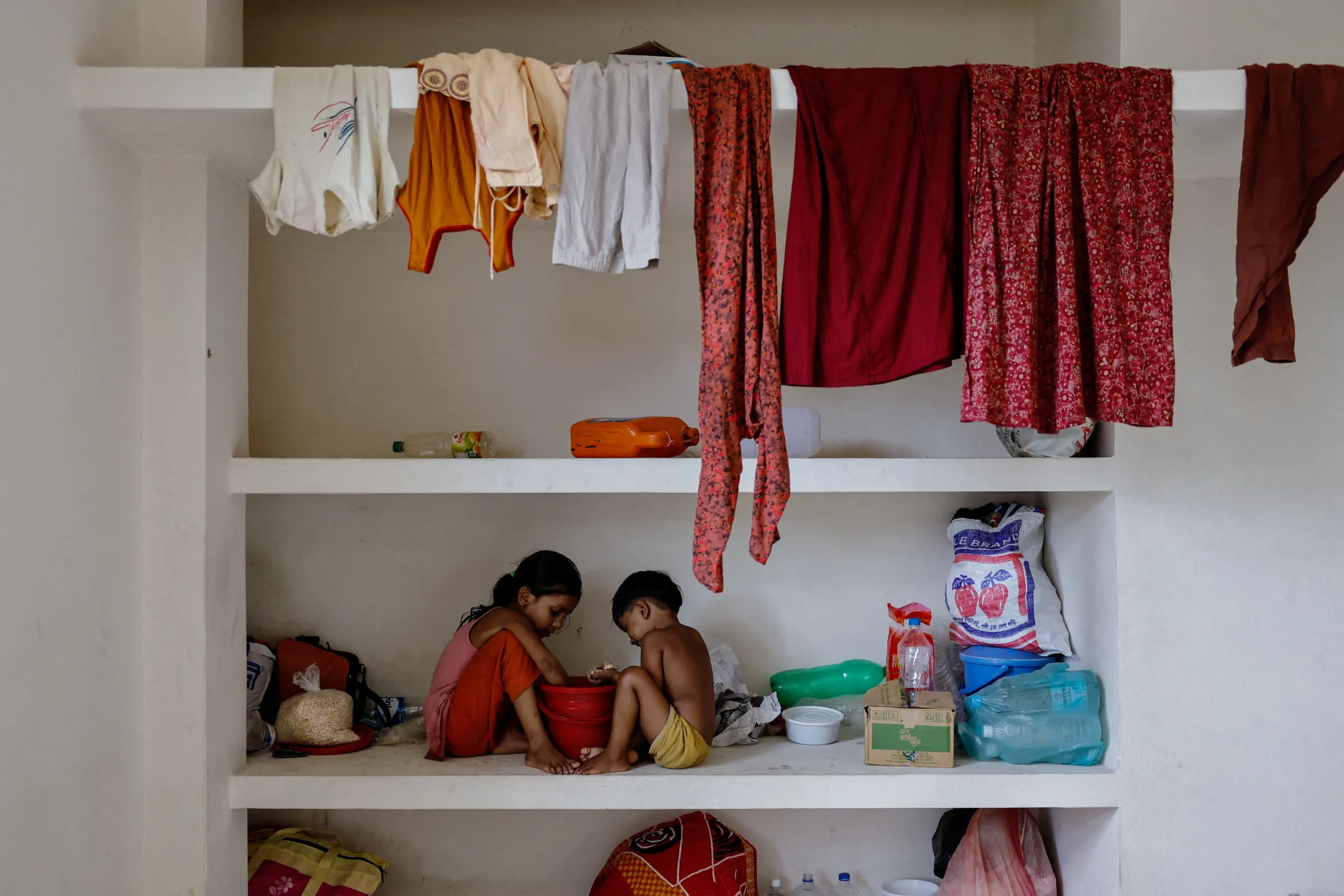
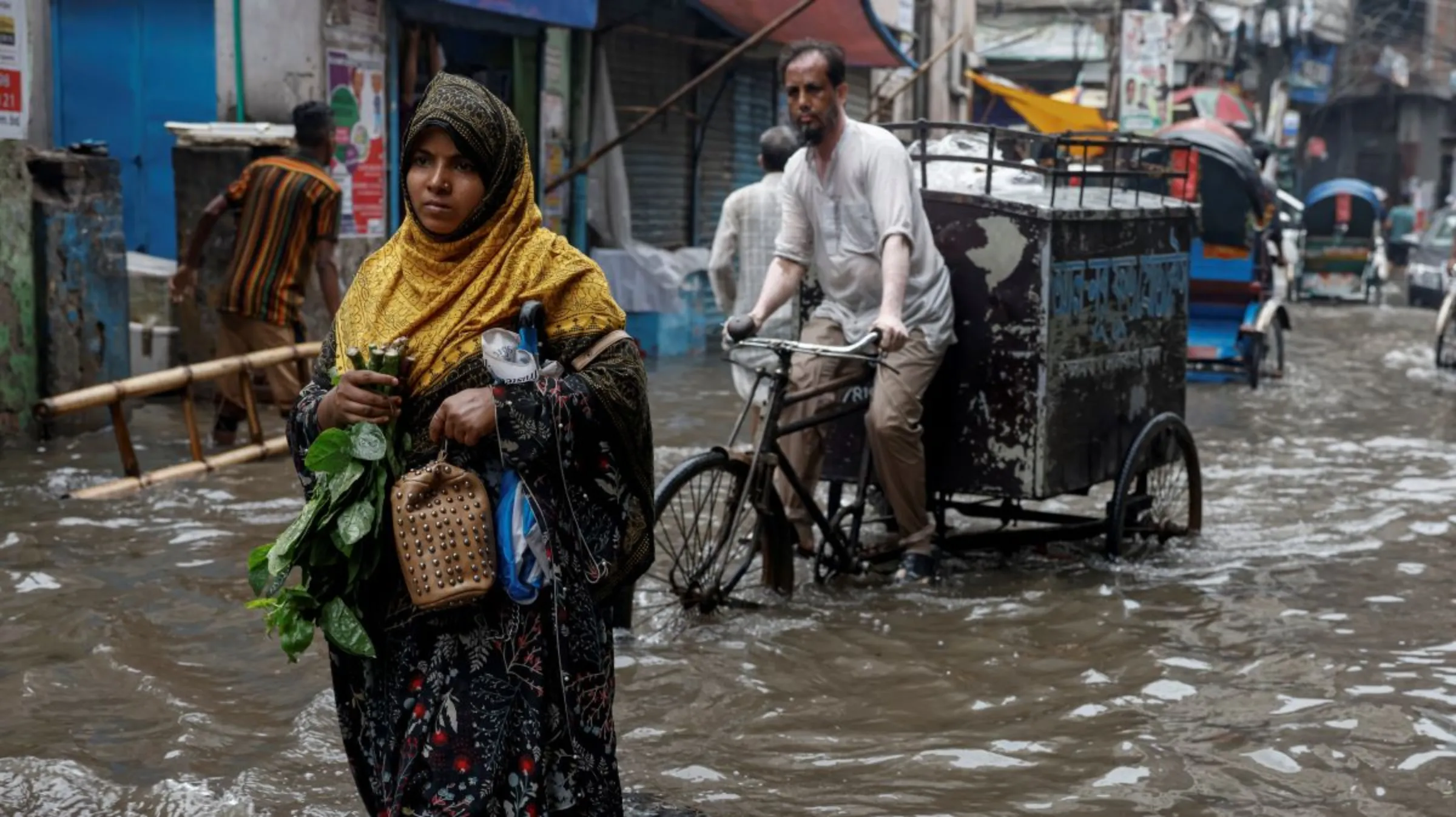
Children eat snacks while sitting on a concrete shelf as they shelter in a madrasa amid severe flooding, in the Fazilpur area of Feni, Bangladesh, August 26, 2024. REUTERS/Mohammad Ponir Hossain
What鈥檚 the context?
Global action to ready the planet for rising climate shocks often shortchanges the most vulnerable, experts at COP30 say .
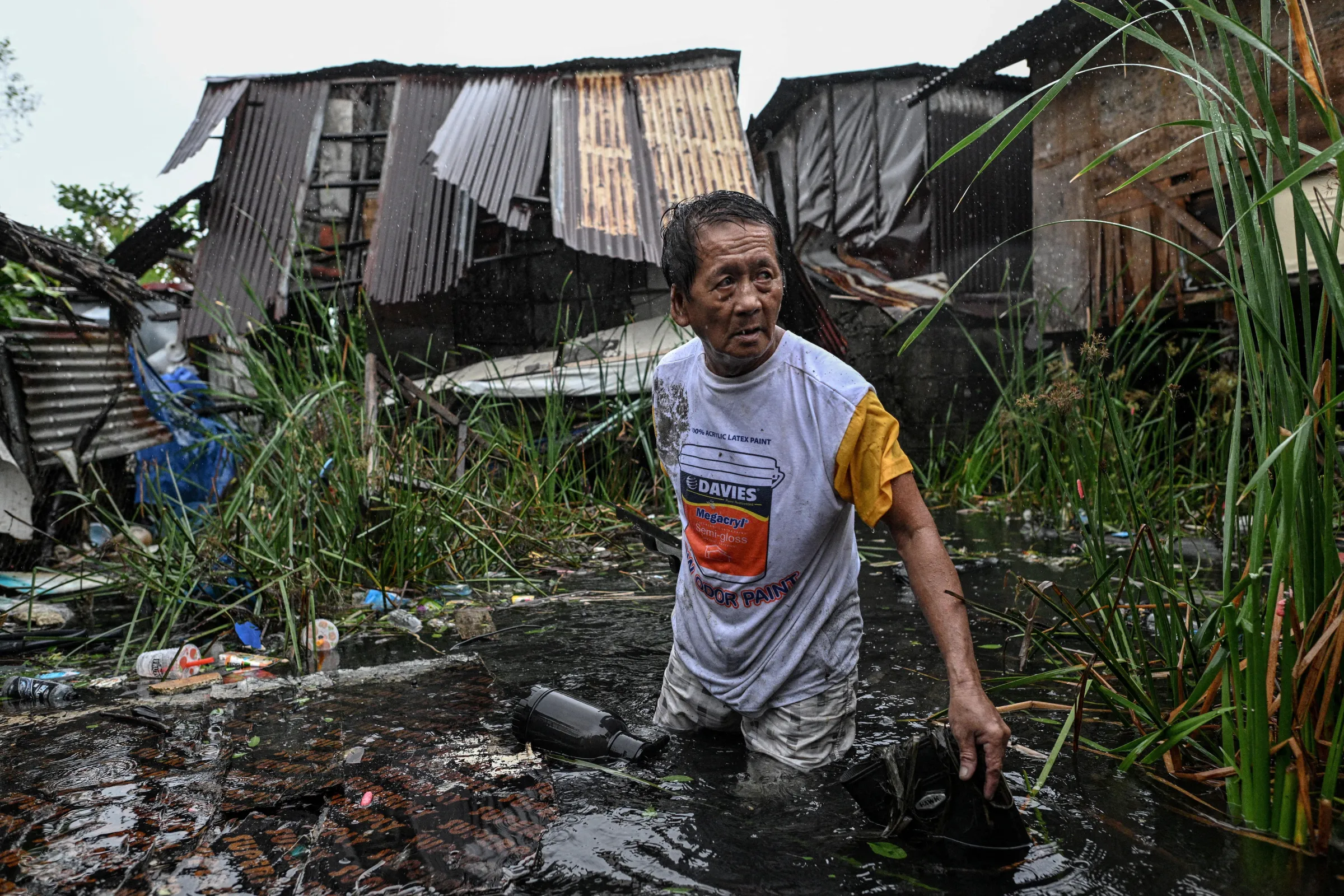
DHAKA - Adapting to the new era of extreme weather is costing countries hundreds of billions of dollars, with poor nations saying they pay most despite contributing least to climate change.
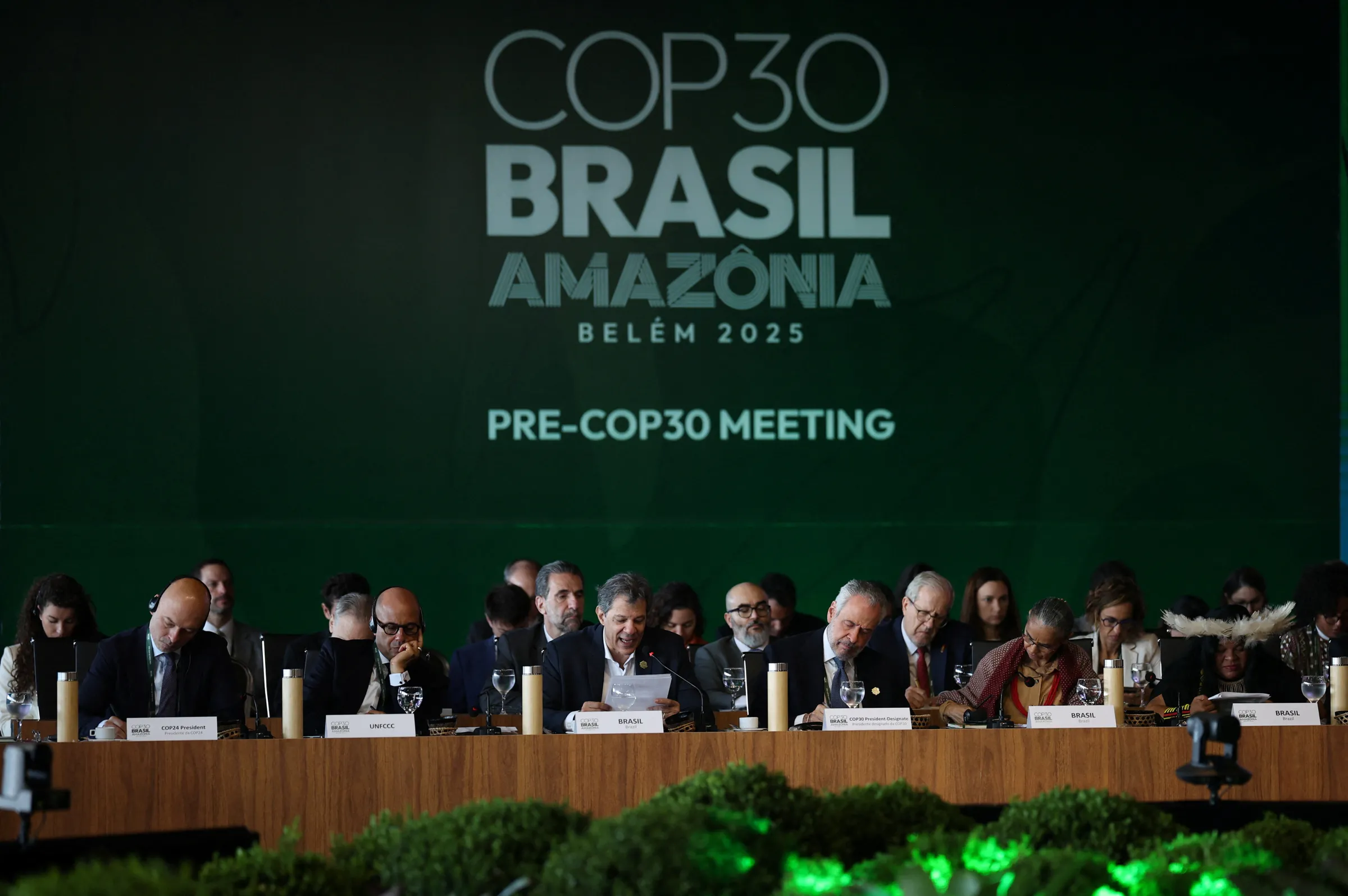
As leaders gather for COP30 talks in Brazil, delegates are divided over how to split the bill for vital adaptations to a fast-changing climate, given the havoc it has unleashed in record fires, floods and storms.
Here's what you need to know:
How is the bill currently split?
A person in the world's of people emits 400 times the daily carbon dioxide emitted by someone in the bottom half, according to a 2025 report by global charity Oxfam.
Yet nearly people live in regions exposed to climate hazards, said a 2025 report by the United Nations Development Programme.
Existing global action to adapt to these disasters lags behind the needs: with Asia receiving $333 billion a year to deal with the climate threat, against an annual need of , according to another 2025 report by Oxfam.
This inequality was recognised by the European Union in 2021, when it said the benefits of climate adaptation should be distributed in a .
How can extreme weather reinforce inequality?
Badly planned adaptation projects can , said the Intergovernmental Panel on Climate Change (IPCC), the U.N. climate science panel, in a 2022 report.
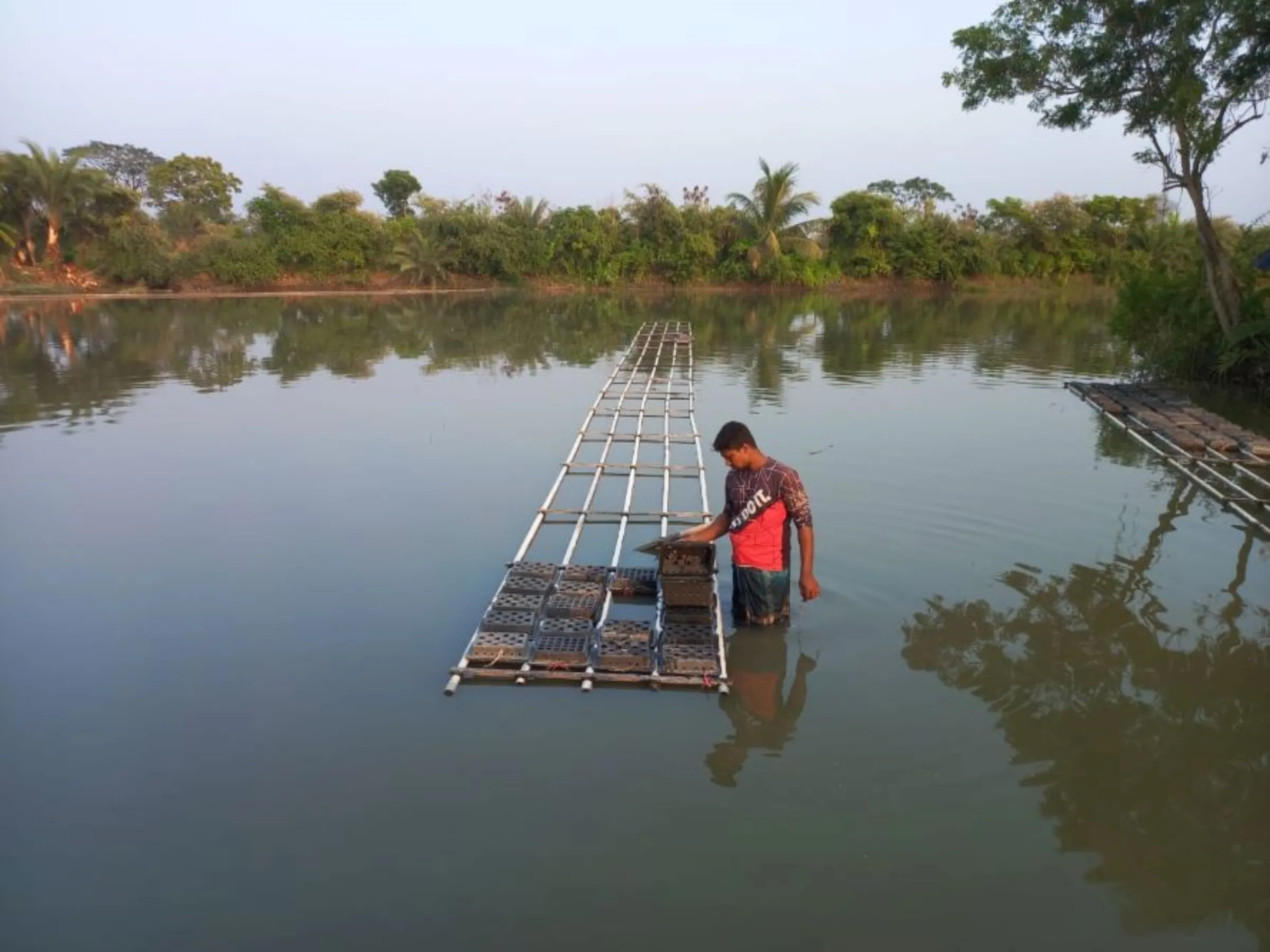
In Bangladesh, for example, saline shrimp farming was promoted as a great way to counter rising sea levels.
But when shrimp farmers then inundated coastal land with saline water, local crop farmers were in turn hit with falling yields, by the International Growth Centre said.
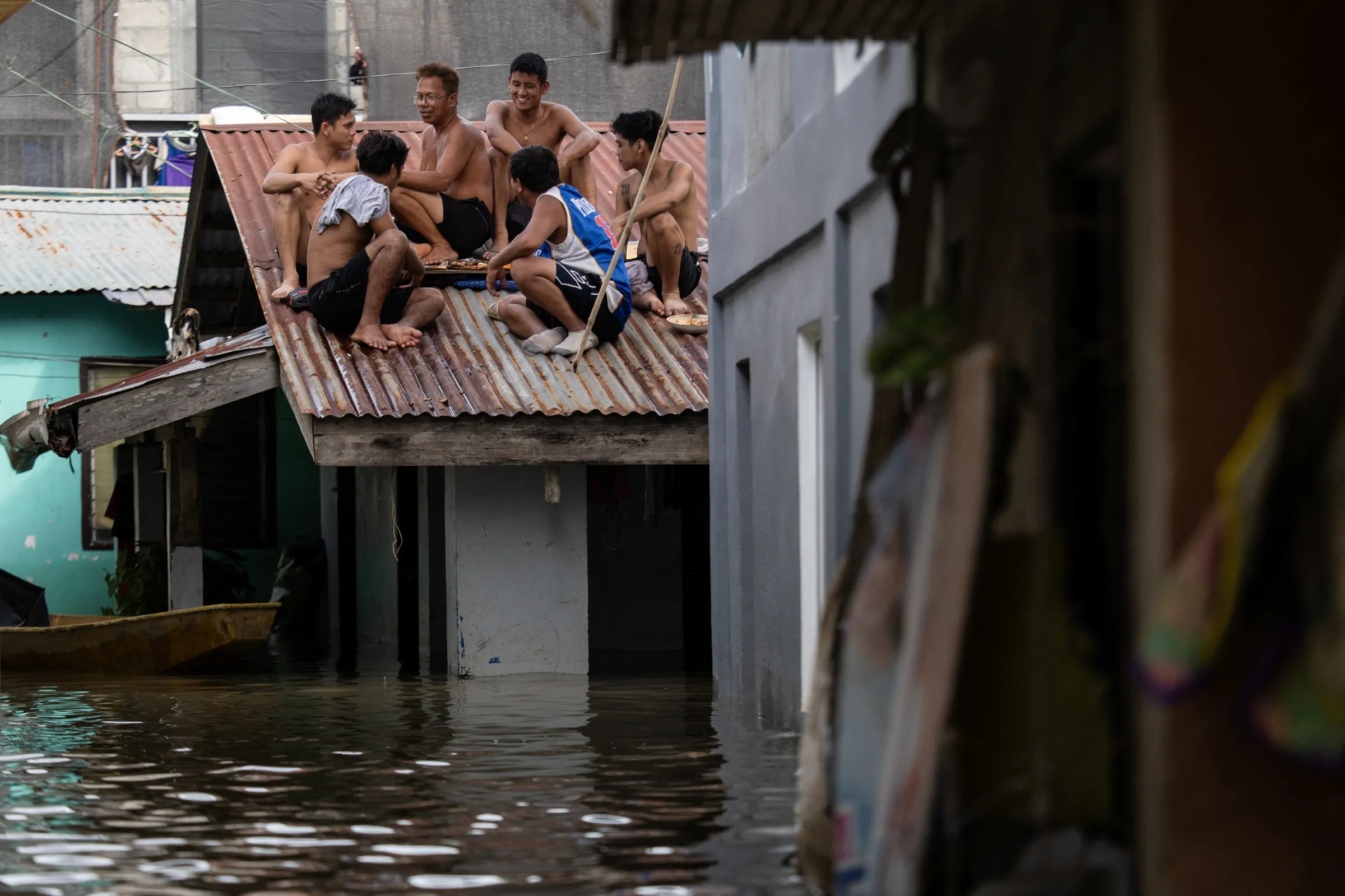
In the Philippines, the government spent about $8.5 billion to build dykes, seawalls and other flood-prevention structures.
But local protesters said corruption and poor planning in some projects raised the flood risk for downstream communities.
What impact does adaptation finance have?
Developing nations get funds to prepare for the new climate impacts, but the money is dwarfed by their overall needs.
At COP30, the group of Least Developed Countries is calling for a by 2030 - boosting the total to at least $120 billion.
Global climate finance can also increase stress for poorer countries, as of their climate finance comes in the form of loans, which can increase their debt burden, said a recent report by Oxfam and the humanitarian organisation CARE.
In 2022, seven of the poorest Asian countries paid about repayments, while securing $7 billion in climate finance, draining them of the capacity to adapt, Oxfam said.
Who is left behind?
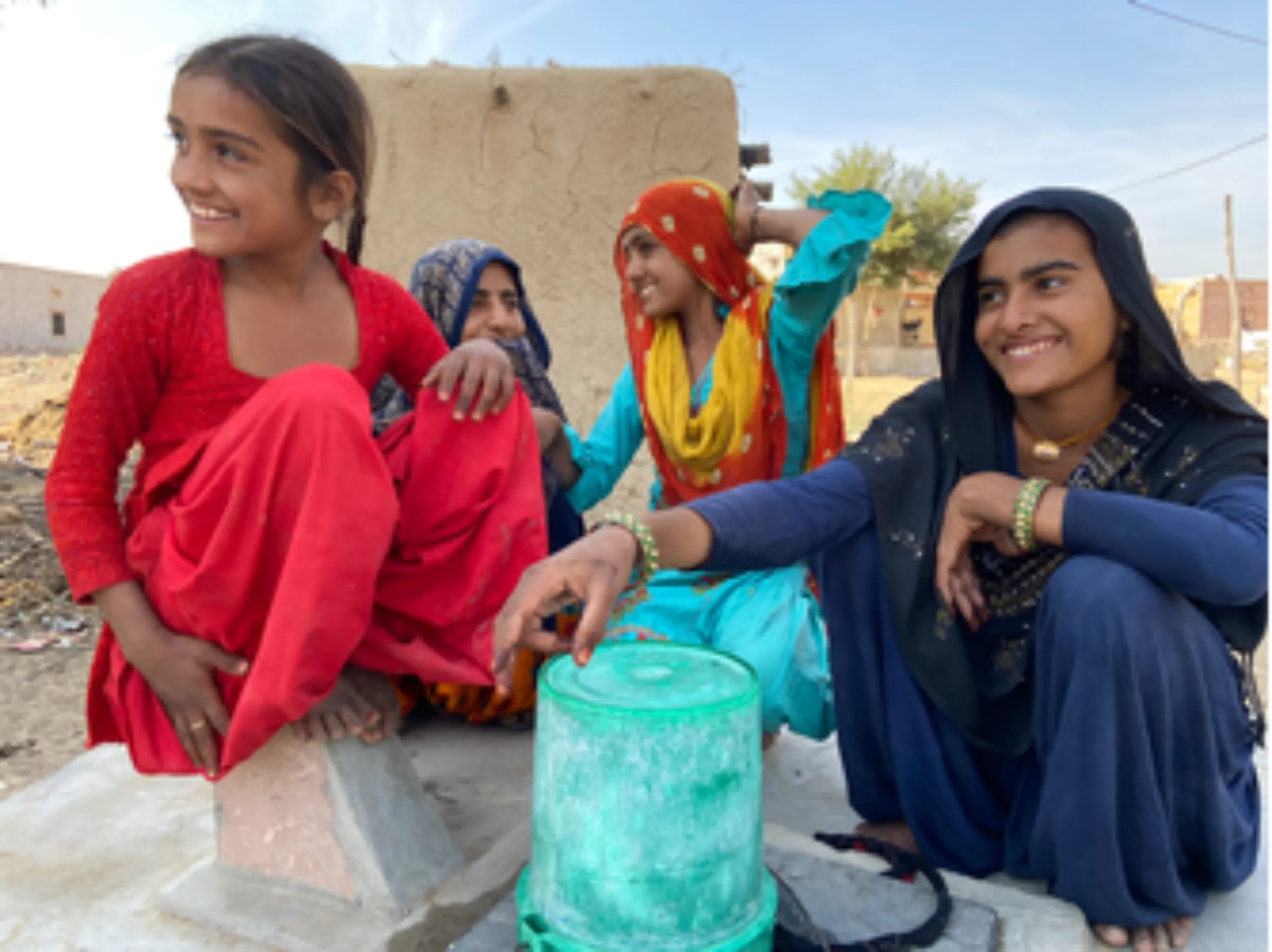
The worst hit are such as women and girls, said a 2022 IPCC report.
By 2050, climate change will push into poverty, against 142 million men and boys, due largely to restricted female access to paid work and education, according to U.N. Women in a 2023 report.
Yet about did not clearly target the inequality faced by women, said a 2023 report by the Overseas Development Institute (ODI), a London-based think tank.
Other excluded groups include Indigenous people, awarded less than 1% of global climate assistance, according to a by Rainforest Foundation Norway, an NGO based in Oslo.
Fast-fashion hubs such as Bangladesh, Cambodia and Pakistan face growing heatwaves and floods - but industry's response to their workers' plight has been limited.
What could help avoid the deeper inequality?
Supporting vulnerable groups before any disaster hits by checking on could yield better results, the International Institute for Environment and Development, a London-based research organisation, said in a recent report.
That tactic helped some people in Bangladesh get ready ahead of last year's seasonal flooding, cyclones and heatwaves, said the United Nations World Food Programme.
In the long run, countries must build and data systems, as well as expand access for vulnerable people to social security, loan and insurance, the IIED study added.
In Bangladesh and Nepal, new finance and insurance tools have protected female farmers against disaster losses, while India's Card initiative has helped climate migrants access social benefits, regardless of their location.
(Reporting by Md. Tahmid Zami; Editing by Lyndsay Griffiths and Jack Graham.)
Context is powered by the 黑料天堂 Newsroom.
Our Standards:
Tags
- Extreme weather
- Climate inequality
Featured
Go Deeper
The Backstory
 These links open on
Latest on Context
- 1
- 2
- 3
- 4
- 5
- 6