

How can the Philippines turn nickel mines green again?

Explainer
Explainer
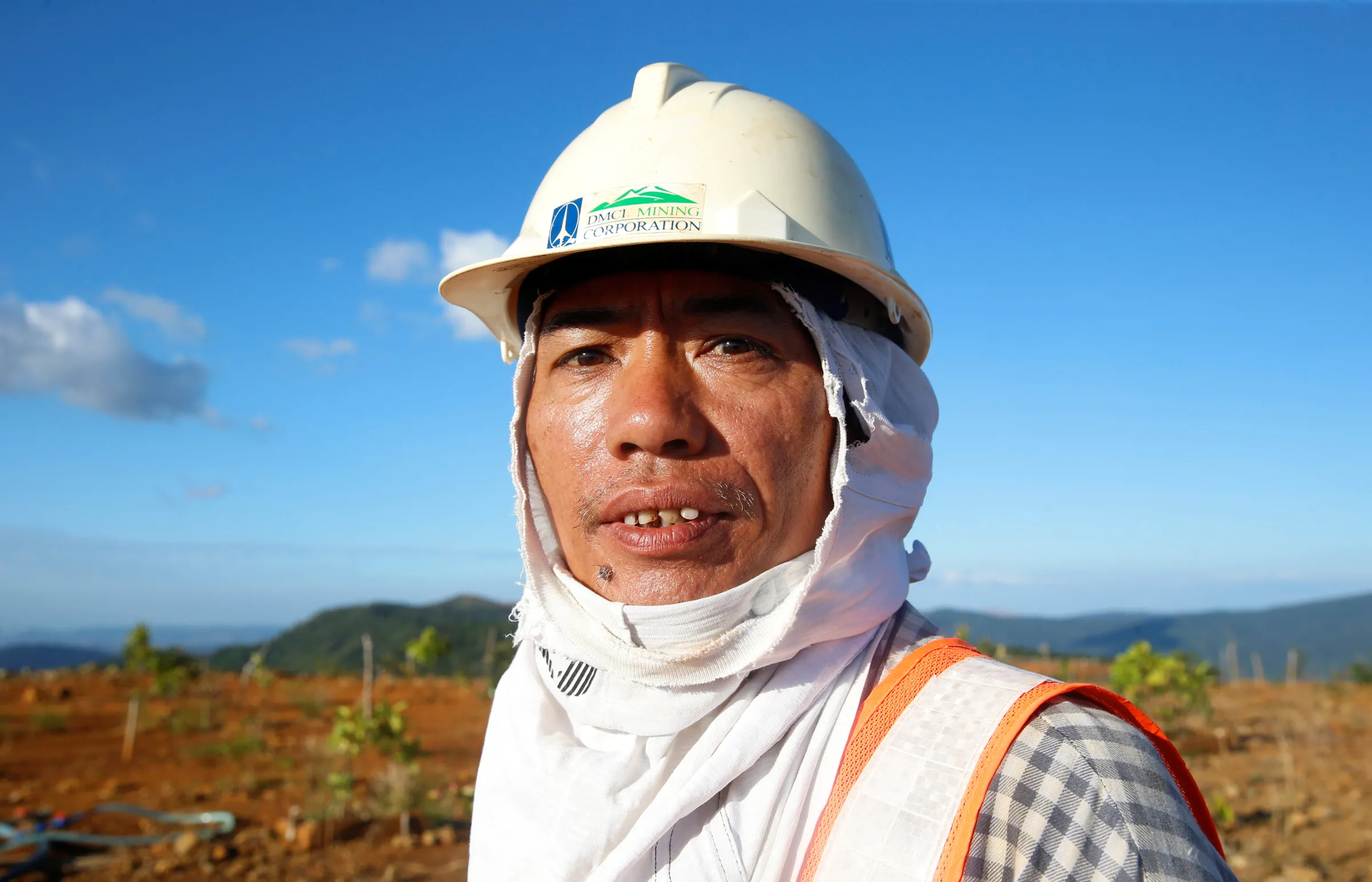
A mine worker is pictured at a nickel-ore mine in Sta Cruz Zambales in northern Philippines February 7, 2017. REUTERS/Erik De Castro
What鈥檚 the context?
Nickel is key to clean energy but mining has left the Philippines with a heavy environmental headache.
MANILA - The Philippines is a global leader in nickel mining - crucial if the world is ever to switch to clean energy - but it's an industry that comes with a heavy environmental cost.
Scientists say extracting minerals poses a grave threat to vast swathes of forests and the Filipinos who depend on them, raising questions about the land's long-term survival and how to restore all the felled trees.
What is the state of Philippine mining right now?
About 700,000 hectares - or 2.5% - of the Philippines is covered by , according to data from the Mines and Geosciences Bureau, the government agency responsible for managing the country's mineral resources.
Across the country, of land have high mineral potential, government data shows.
The Philippines is the world's second-largest producer of nickel, which is a key component in the clean energy transition used in the batteries of electric vehicles and wind turbines.
Nickel is mined by that remove nutrient-rich topsoil and vegetation, a process that environmentalists say affects the soil's fertility and disrupts ecosystems.
In the Philippines, mining firms can operate for a quarter of a century then contracts can be renewed for another 25 years.
Environmentalists fear such a long lifespan can cause , such as habitat destruction, as well as water and soil contamination.
What about restoring all these mined-out areas?
Philippine require mining companies to closed or depleted mining areas through reforestation and rehabilitation.
The government has identified 21 for rehabilitation under its greening programme, including former mining sites in the provinces of Surigao, Cebu and Palawan.
Companies are responsible for mine rehabilitation throughout the entire mining life cycle, be it improving soil quality, planting native species or maintaining the restored site.
The Greening Mined-out Areas in the Philippines programme aims to by 2033 via bioremediation, which uses plants or microbes to help clean contaminated soil, reduce heavy metal contamination and .
Government researchers say it is possible to rehabilitate all mined-out areas through bioremediation, but there are at least 27 mines that remain unrehabilitated, according to government data.
So will the mined-out areas ever become green again?
The Philippines has begun replanting trees in some of the mined-out areas, hoping to mitigate the worst of the damage.
Mining often leads to , soil degradation, pollution and the destruction of water systems - problems that scientists say cannot be solved by planting trees alone.
Soil needs about a decade to restore after deforestation and it takes 25 years for a forest to get back to normal, according to EOS Data Analytics, an expert in agriculture and forestry.
State-supported researchers are now banking on soil micro-organisms to help bring mined areas back to life.
Researchers said the method could work in any site "irrespective of the kind of heavy metals present.".
However, intense rainfall and frequent typhoons in tropical countries such as the Philippines can flood contaminated sites and rob them of oxygen, which can stop the microbes working.
(Reporting by Mariejo Ramos. Editing by Lyndsay Griffiths.)
Context is powered by the 黑料天堂 Newsroom.
Our Standards:
Tags
- Adaptation
- Net-zero

Featured
Go Deeper
The Backstory
 These links open on

Latest on Context

- 1
- 2
- 3
- 4
- 5
- 6