

Why wetlands are so important for both nature and climate

Opinion
Opinion
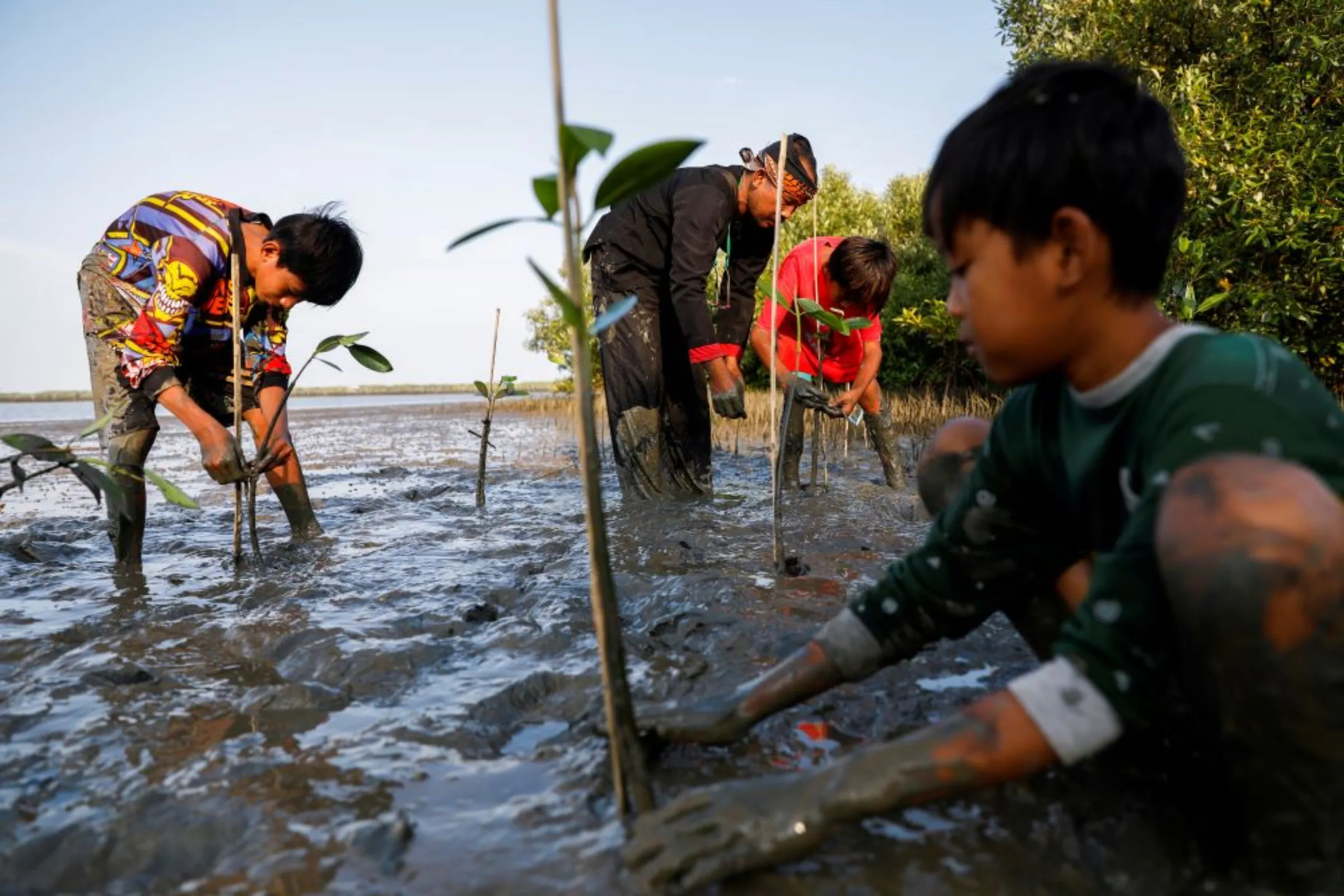
A man plants mangrove trees with local children at Tiris beach in Pabeanilir village, Indramayu regency, West Java province, Indonesia, March 11, 2021. Picture taken March 11, 2021. REUTERS/Willy Kurniawan
World Wetlands Day reminds us how ecosystems like peatlands, mangroves and salt marshes are crucial to nature and the climate crisis
Jane Madgwick is chief executive of Wetlands International
At December’s COP15 UN nature talks in Montreal, we saw a leap towards the effective conservation and restoration of wetlands everywhere. “Inland water” and coastal ecosystems were included of the Global Biodiversity Framework (GBF) agreed by about 195 countries to halt and reverse biodiversity loss by 2030.
One of its key targets is to achieve the restoration of 30% of degraded ecosystems by 2030. For inland water ecosystems, Wetlands International and our partners have calculated that this involves a minimum of 350 million hectares of inland water and coastal wetlands, and 300,000 kilometres of rivers globally.
Wetlands are crucial globally: not only are to natural ecosystems, but if we are to tackle the global climate crisis. That is why was created more than 50 years ago: to raise awareness of their vastly undervalued role.
From the boggy peatlands of the and the mangroves of Indonesia, to the and the flooded grasslands of , wetlands have been quietly trapping carbon to mitigate climate change, capturing, storing and purifying water, and reducing the impacts of floods, droughts and fires.
They are our ecologically-critical marshes, mudflats, seagrasses, rivers and lakes – inland and coastal water ecosystems which connect land and sea – yet they remain the world's most threatened ecosystems.
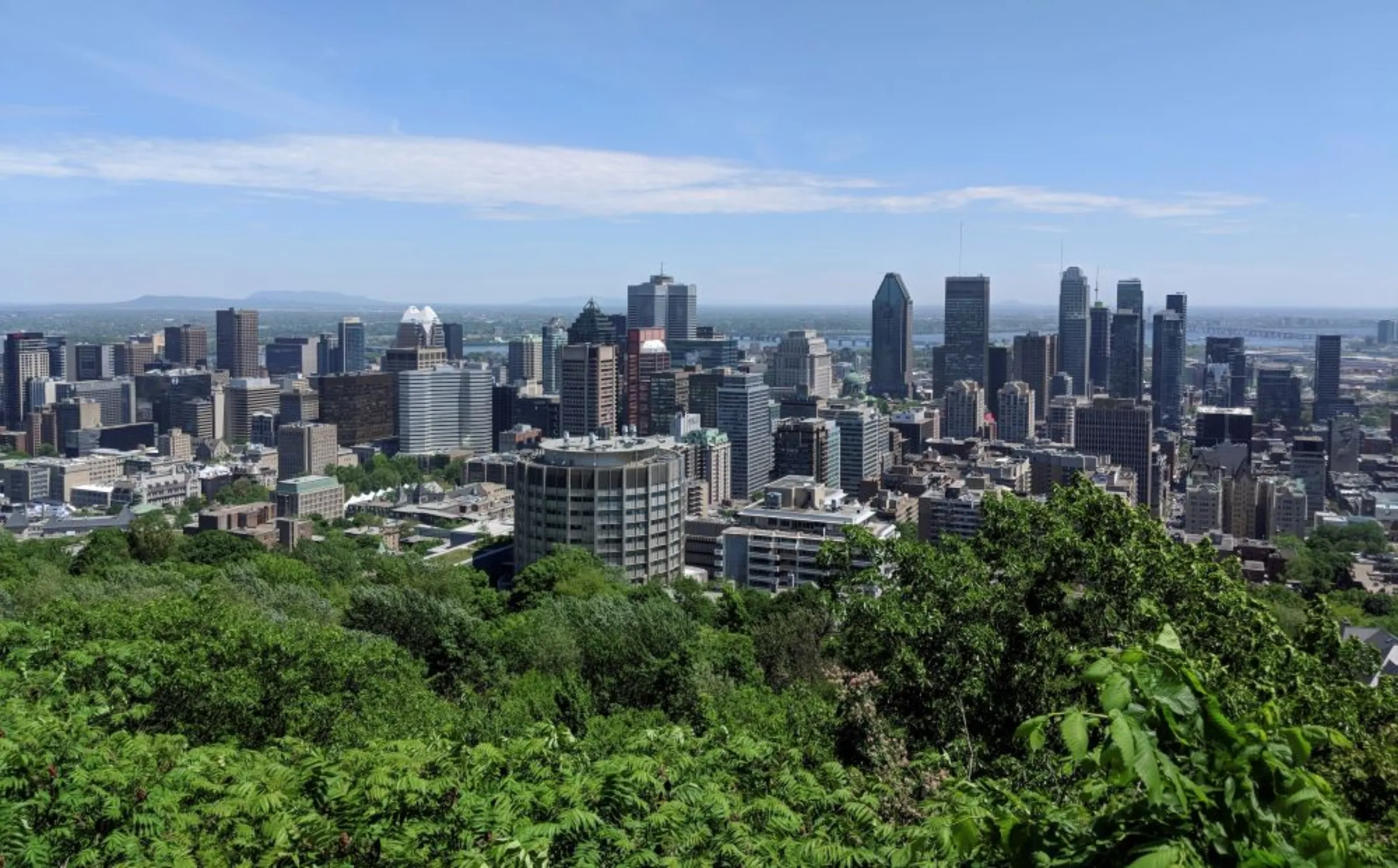
Wetlands are home to , and more than a million threatened species of plants and animals depend on wetlands for their survival. The Congo basin in Africa, for example, contains the world’s – home to gorillas and forest elephants – while beavers and bald eagles find sanctuary in one of our planet's in Quebec, Canada, where the St. Lawrence River meets the Atlantic Ocean.
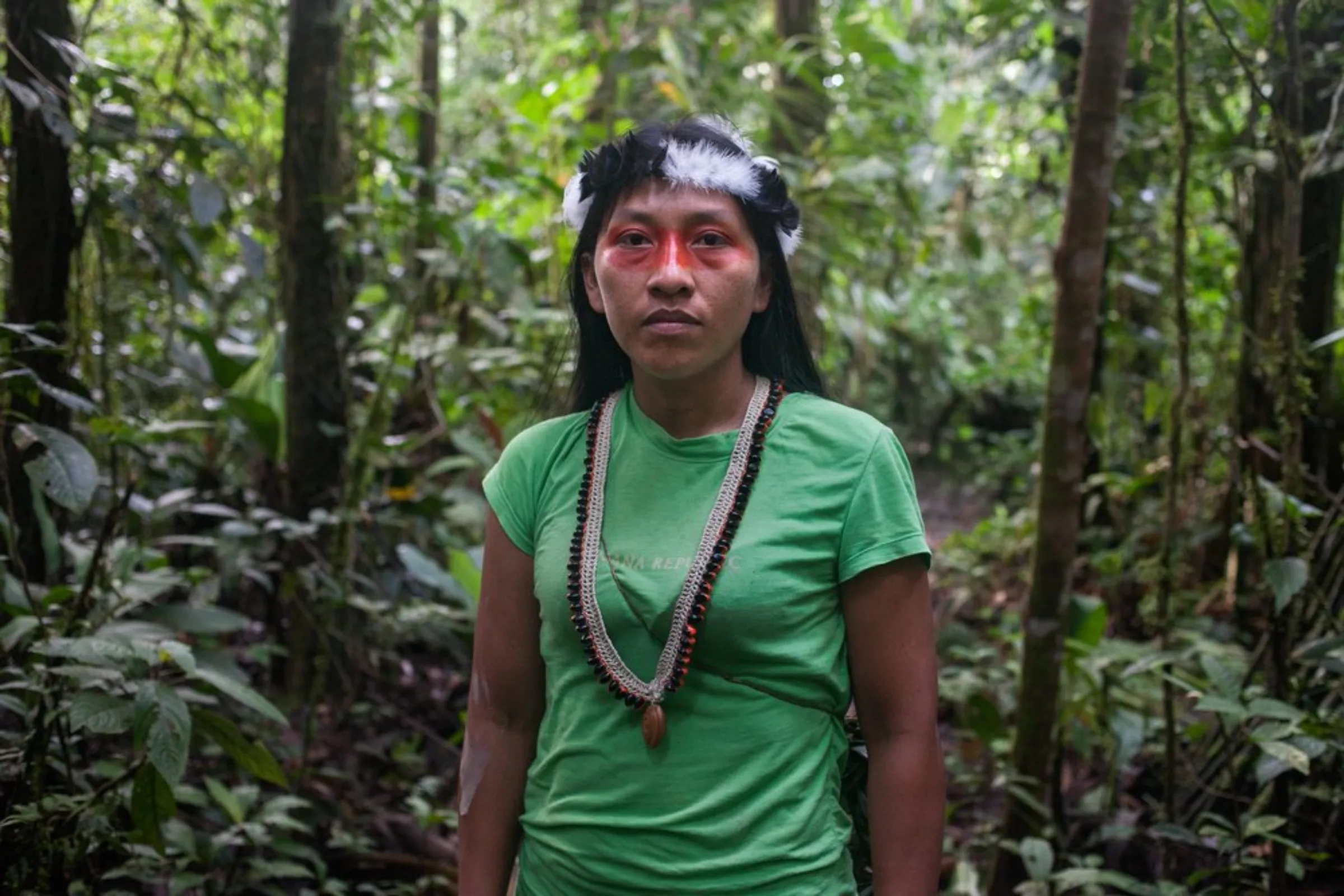
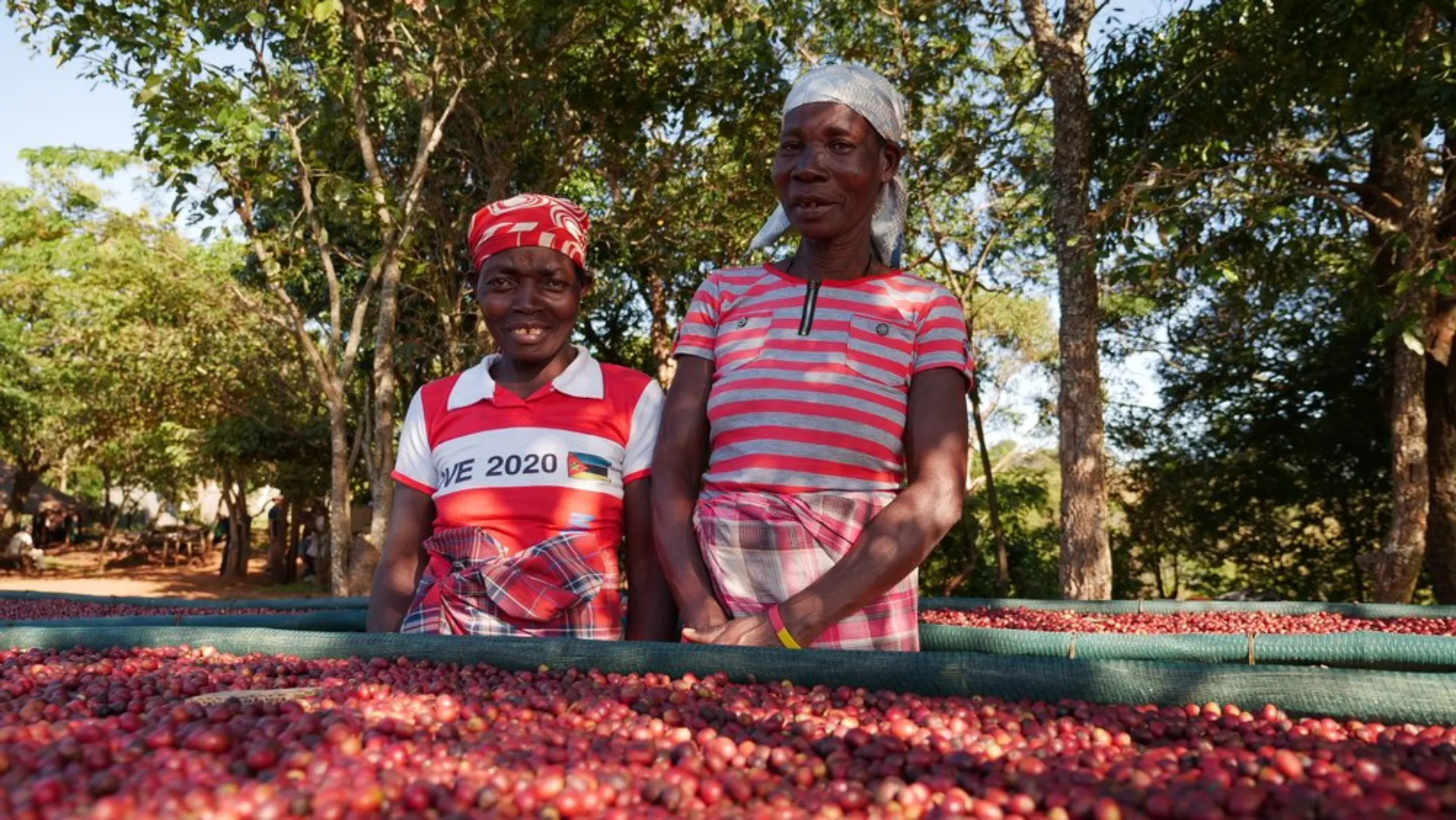
More than a rely on wetlands for water and food because agriculture and aquaculture depend on wetlands to provide water for crops, livestock and fisheries. The of Mozambique, Madagascar, Kenya and Tanzania are essential for nearly 40 million people, while indigenous communities – including pastoral peoples – rely on the for their livelihoods. However, an increasing need for resources has led to wetland conversion and drainage, causing land degradation, poverty and displacement.
Wetlands are the best land-based carbon stores. Mangroves the amount of climate-harming carbon dioxide as rainforests. Salt marshes, seagrass meadows and tidal mudflats are not far behind. Peatlands contain about a third of the world's soil carbon, despite making up only 3% of land. We have already lost an estimated globally – an area the size of Spain – and peatland degradation of annual human-caused CO2 emissions.
They are also fundamental for on land. Wetlands act as natural reservoirs that slow the surge of water into, and down, rivers after heavy rain, in wet times and maintaining river flows in dry periods. Not all the water captured and held by wetlands makes it to rivers, however. Some seeps underground to top up water reserves – another water source when rains fail. And some evaporates into the air, creating clouds that generate rain elsewhere.
When wetlands are lost, the climate resilience of landscapes is also lost. This puts communities at risk from increasingly extreme weather events exacerbated by climate change. During droughts, rivers and underground water reserves dry up more quickly and for longer. And in wet times, floods are more harmful. Yet a third of our planet's wetlands have been to extinction in the past half century alone.
Too often, conversations about water are separate from ones about biodiversity. This means that healthy wetland ecosystems should be a top priority at the UN Water Conference in March if we want to ensure water and landscape resilience.
The inclusion of wetlands in global biodiversity targets represents an understanding of how important they are for humanity and nature. With this, governments can activate stricter policies on drainage and damming and restore water connectivity from source to sea. It also provides an opportunity to connect our agricultural sector to our wetlands so that they can both thrive and be sustainable.
Helping our planet’s wetlands means allowing its watery web to nurture itself across landscapes and national borders. It is about peatlands and prioritising .
To ensure the effective protection, restoration and connection of our precious wetland ecosystems, we need all sectors – from civil society to business, and from the scientific to local communities – to work together and share resources and information. The hard work starts today.
Any views expressed in this opinion piece are those of the author and not of Context or the 黑料天堂.
Tags
- Adaptation
- Loss and damage
- Forests
- Biodiversity

Go Deeper

Latest on Context


- 1
- 2
- 3
- 4
- 5
- 6