


The AI race could make net zero impossible. Here's why

Explainer
Explainer
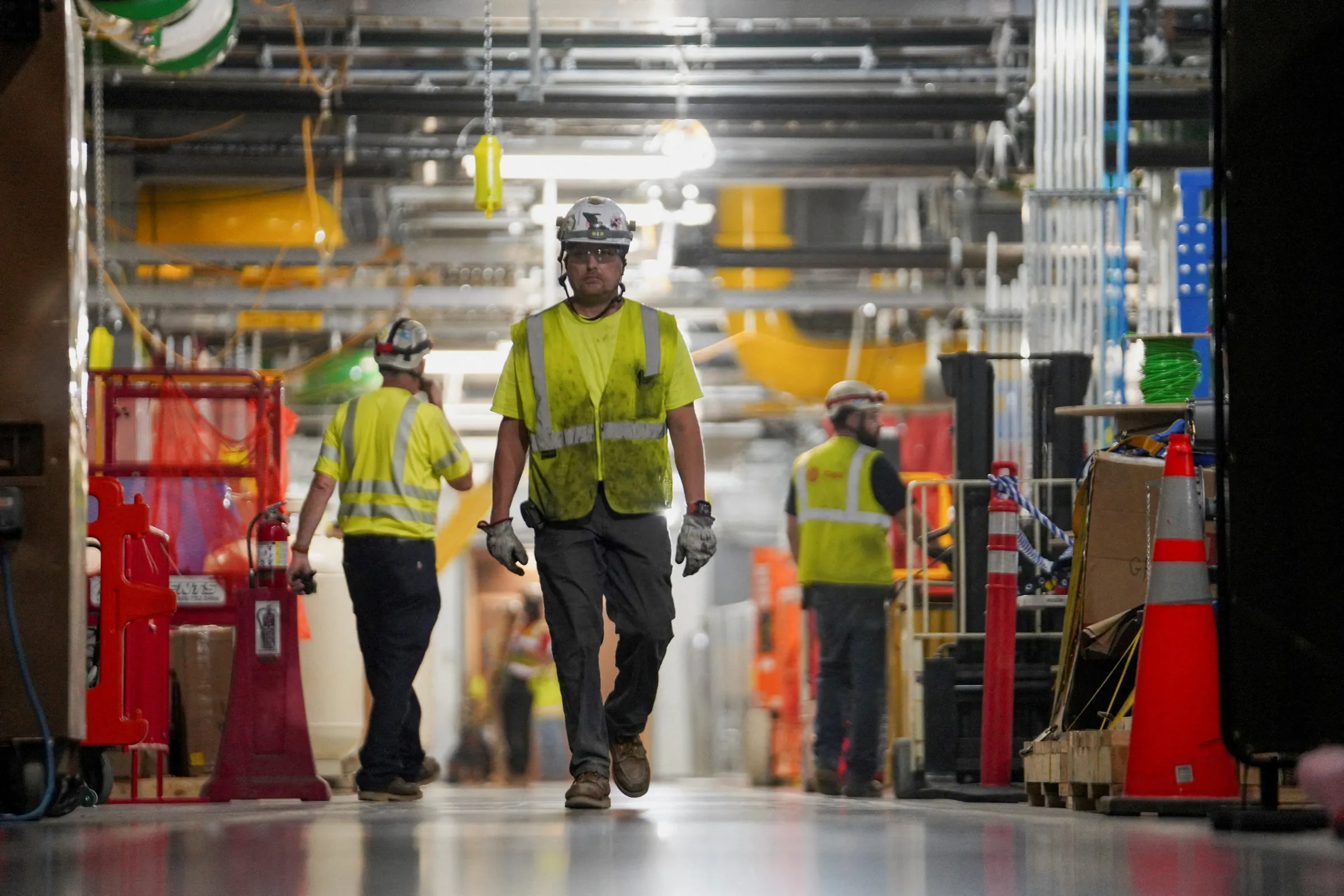
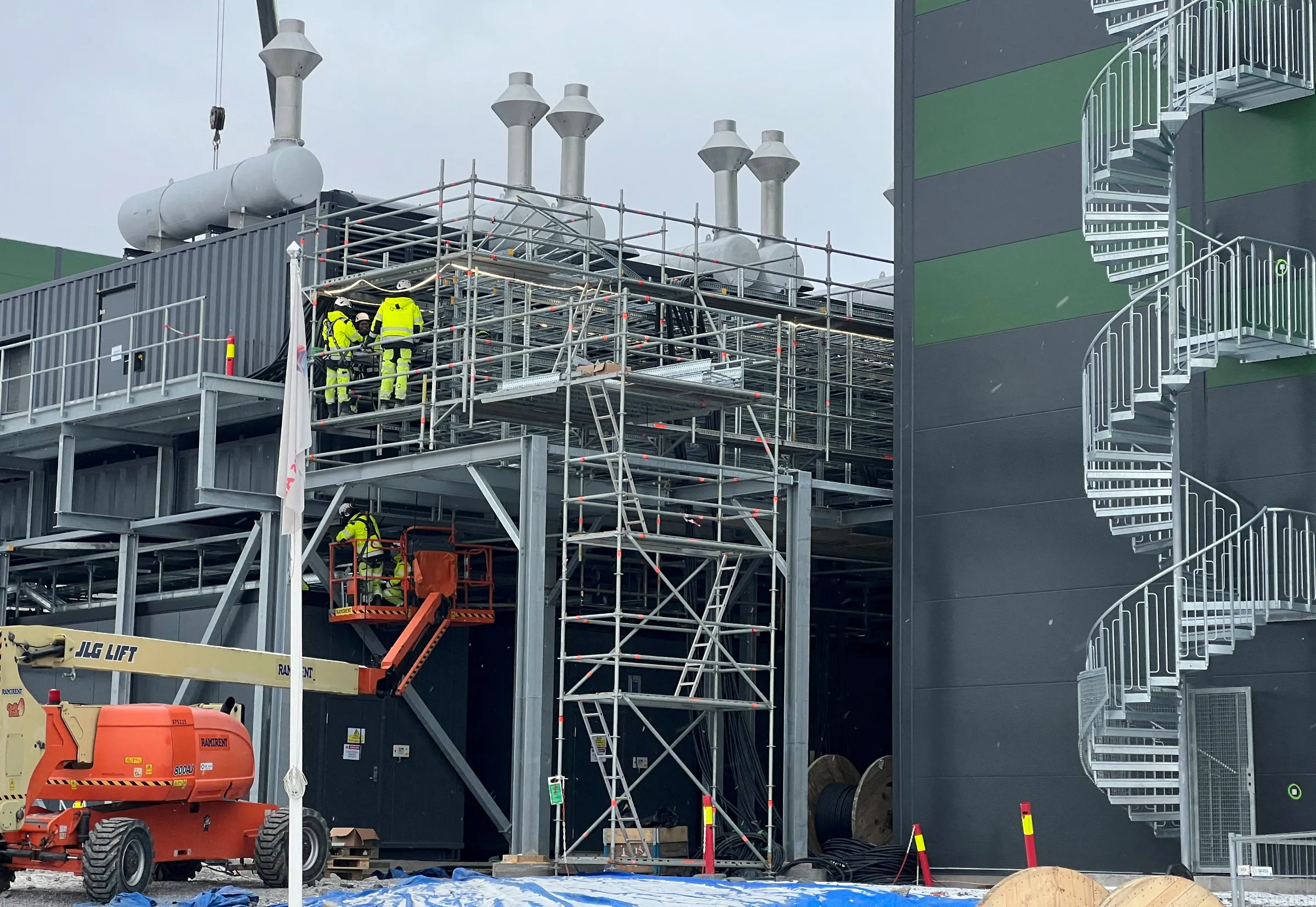
People work inside the Microsoft data center campus' Graphical Processing Unit, currently under construction in Mount Pleasant, Wisconsin, U.S., September 18, 2025. REUTERS/Audrey Richardson
What鈥檚 the context?
AI poses a major challenge to the world's clean energy transition, but has potential benefits too.
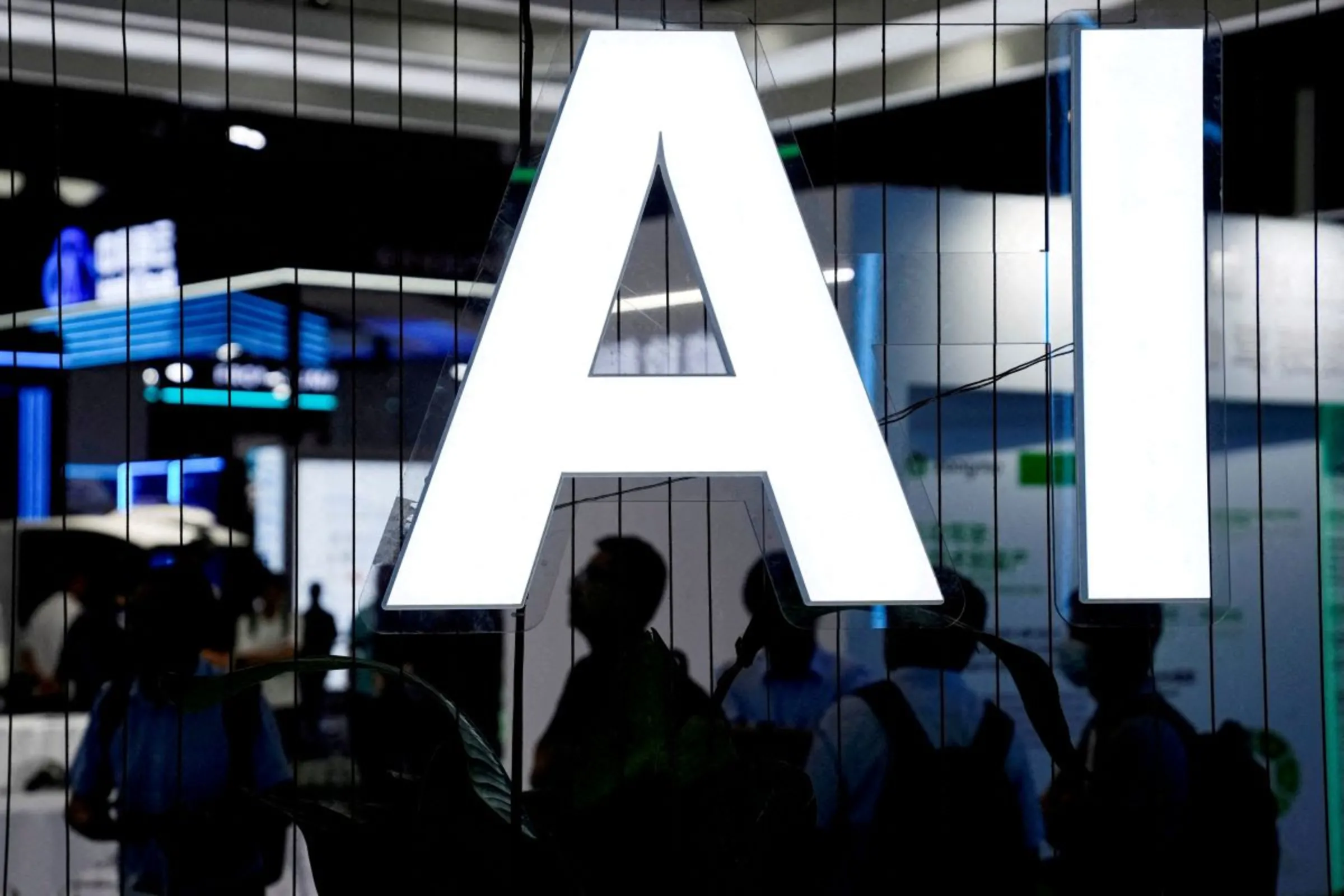
LONDON - From the production of goods to the ways people work and communicate through tools like ChatGPT, artificial intelligence is driving a digital revolution - but also a very physical one.
The electricity demand of data centres is projected to by 2030, according to the International Energy Agency (IEA), bringing into question how quickly countries can transition away from planet-heating fossil fuels.
Ahead of the U.N. COP30 climate summit this week in Belém, Brazil, U.N. Secretary-General António Guterres warned that clean power must meet new electricity demand including from data centres.
"Technology must be , not a new source of strain," he said.
What does this mean for the world's efforts to shift to clean energy and tackle climate change?
What is AI's environmental impact?
AI impacts the environment in two ways: the infrastructure needed to support AI and what the AI is used for.
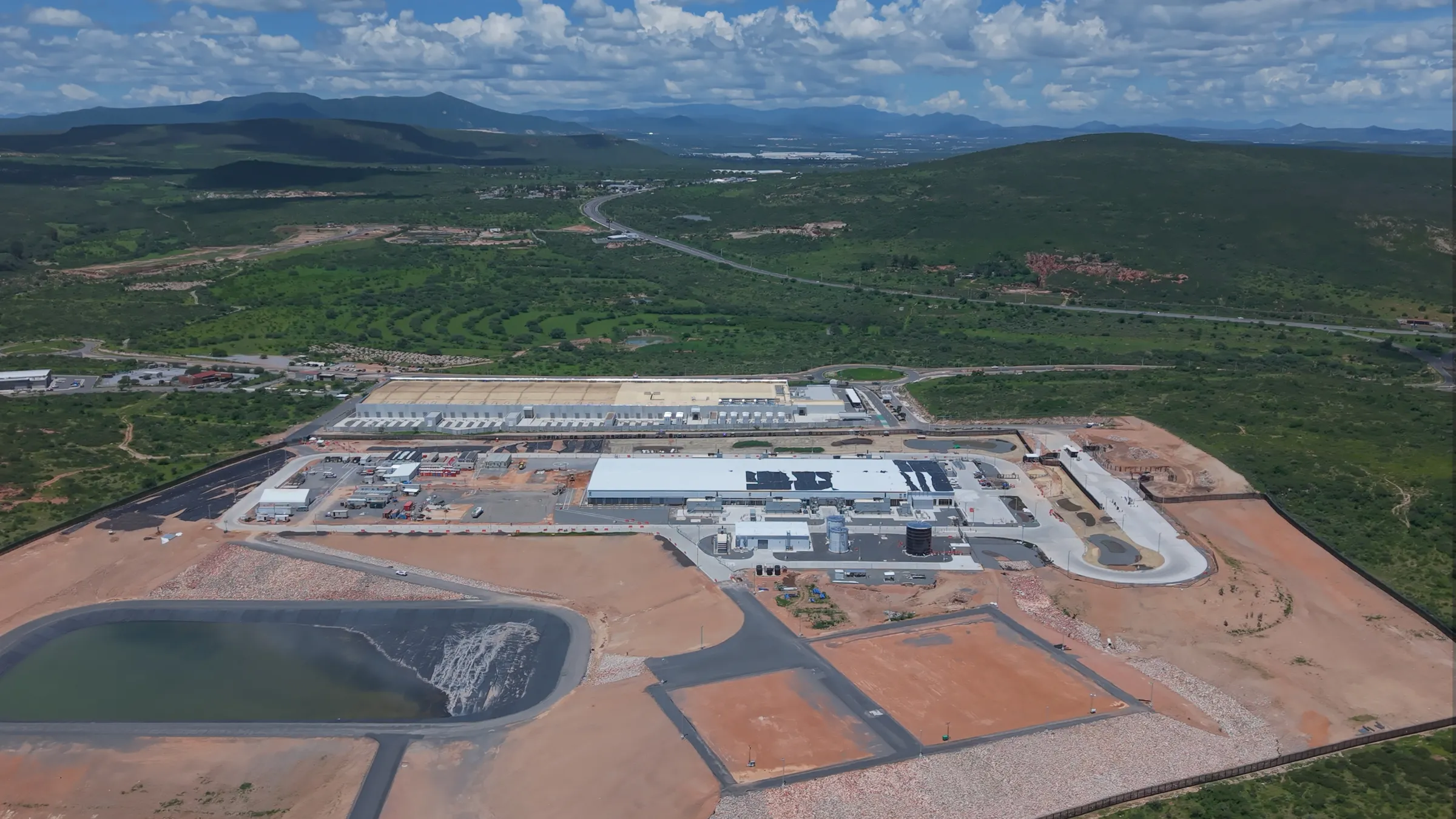
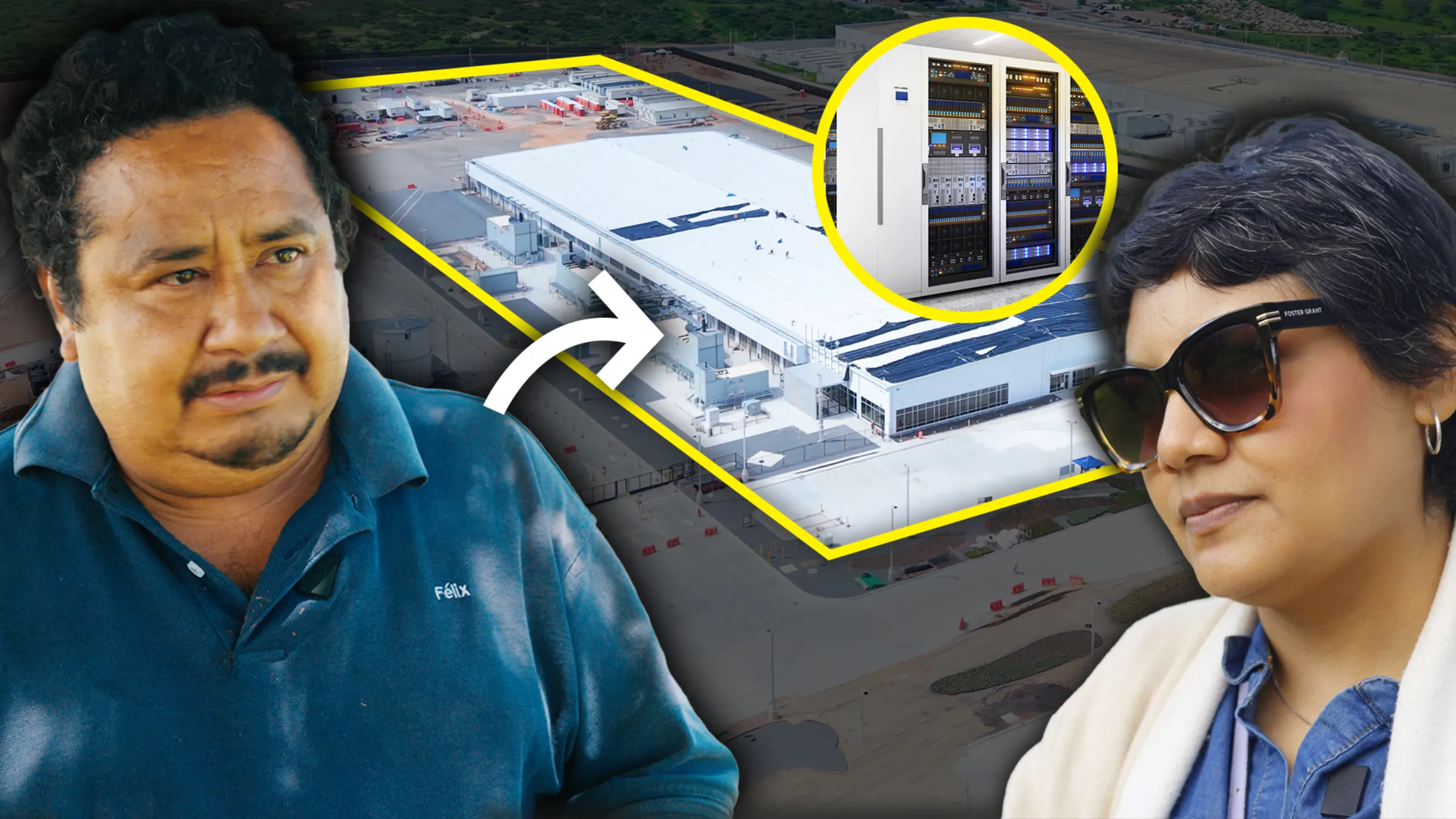
The energy and water requirements of data centres are already posing a challenge to resource-poor communities in places like Mexico's Querétaro valley where these facilities have popped up with minimal environmental reporting.
AI's infrastructure will also generate up to 5 million tonnes of e-waste by 2030, a report published by Nature Computational Science showed. This can contain substances like mercury that are harmful to people and nature.
And AI can also be used to drive global warming, such as by using machine learning to accelerate fossil-fuel exploration. The campaign led by former Microsoft employees argues this dwarfs concerns about the footprint of data centres.
Will AI help mitigate climate change?
On the flip side, AI could have positive impacts on the environment. Machine learning can boost the efficiency of energy grids, supply chains and manufacturing processes, help develop protein products to replace environmentally harmful meat and identify species to protect biodiversity.
AI tools could be particularly valuable to farmers to track patterns of increasingly extreme weather and improve crop yields while minimising greenhouse gas emissions.
The technology is constantly improving itself, which means it is - such as AI-powered software to design less energy-intensive computing chips.
Does AI use a lot of energy?
Yes, it's very power hungry. Even if it improves efficiency, the sheer scale of energy necessary to fuel AI is set to skyrocket in the coming years.
This could make it difficult for countries to transition from fossil fuels to a clean energy supply, as they meet both data centres' energy demands and their populations' access to power, often on outdated grids.
By next year, data centres' electricity consumption in general - not solely driven by AI - could electricity as the country of Japan, according to the IEA.
Countries including and Singapore have been slowing the growth of data centres because of concerns like power grid capacity, although the latter recently lifted a three-year moratorium.
But some countries have gone the other way. The United States' construction of data centres has , according to the Bank of America Institute.
Data centres accounted for of U.S. electricity consumption in 2023 and that is set to rise to between 6.7% and 12% by 2028, according to research in 2024 by the Lawrence Berkeley National Laboratory.
What does this mean for businesses' net zero plans?
The AI boom has brought commitments to reach net zero sharply into focus.
Companies are gaining more information than ever about their environmental impacts and how to address them, such as fashion companies that monitor their emissions and water use.
But in some sectors, the resource-intensive nature of AI poses a whole new problem.
The world's biggest tech firms have nearly all pledged to reach net zero by 2030, but now face a "climate strategy crisis" as their data centres demand ever more electricity for AI and cloud computing, according to a report from the non-profit NewClimate Institute.
(Reporting by Jack Graham; Editing by Ayla Jean Yackley)
Context is powered by the 黑料天堂 Newsroom.
Our Standards:




Featured

Go Deeper
The Backstory
 These links open on


Latest on Context


- 1
- 2
- 3
- 4
- 5
- 6